“This office notes that the property located at 311 SW 3rd Street, Stuart Florida (8MT346) appears to meet the criteria for listing in the National Register of Historic Places” – The Florida Department of State | Division of Historical Resources letter to the City of Stuart, December 1st, 2023.
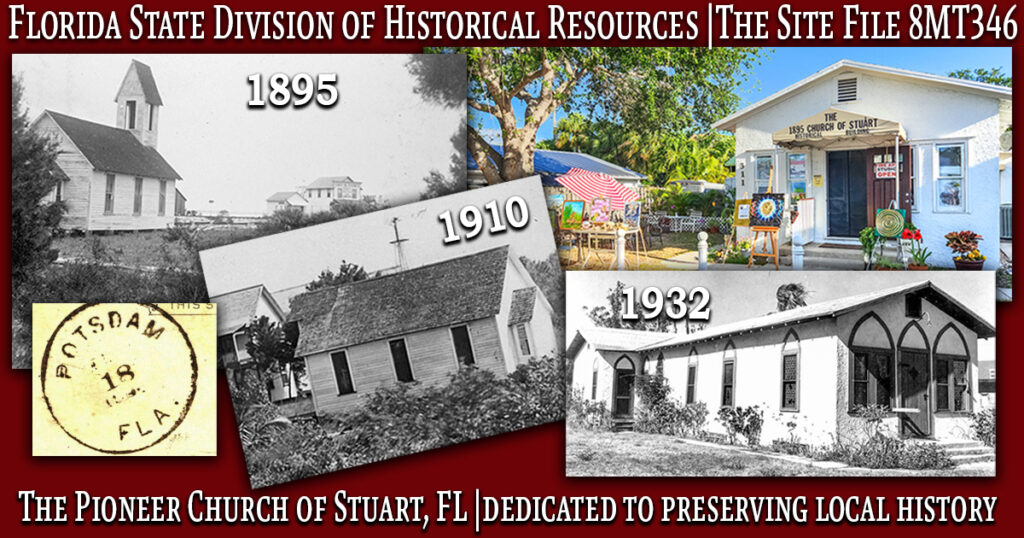
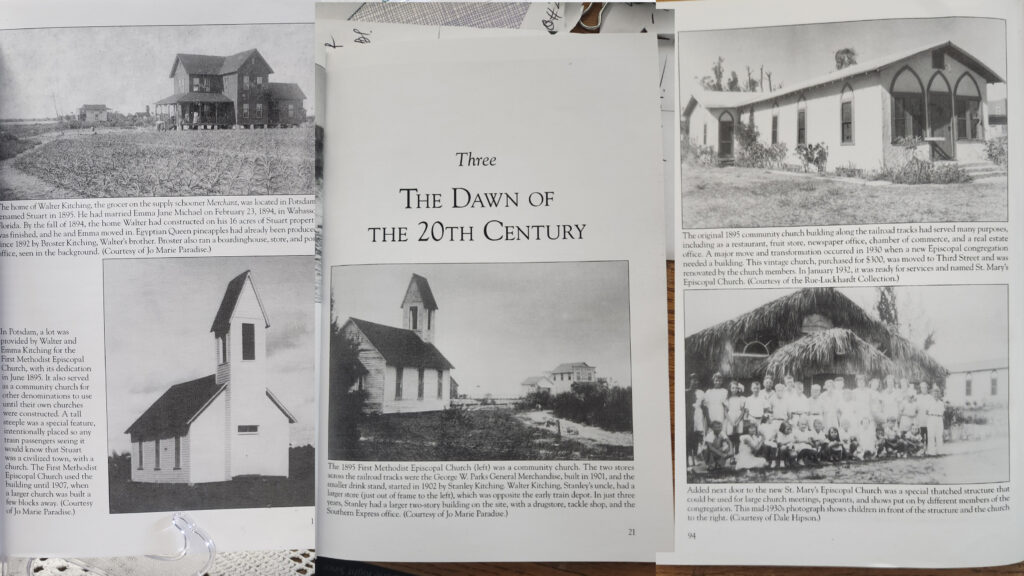
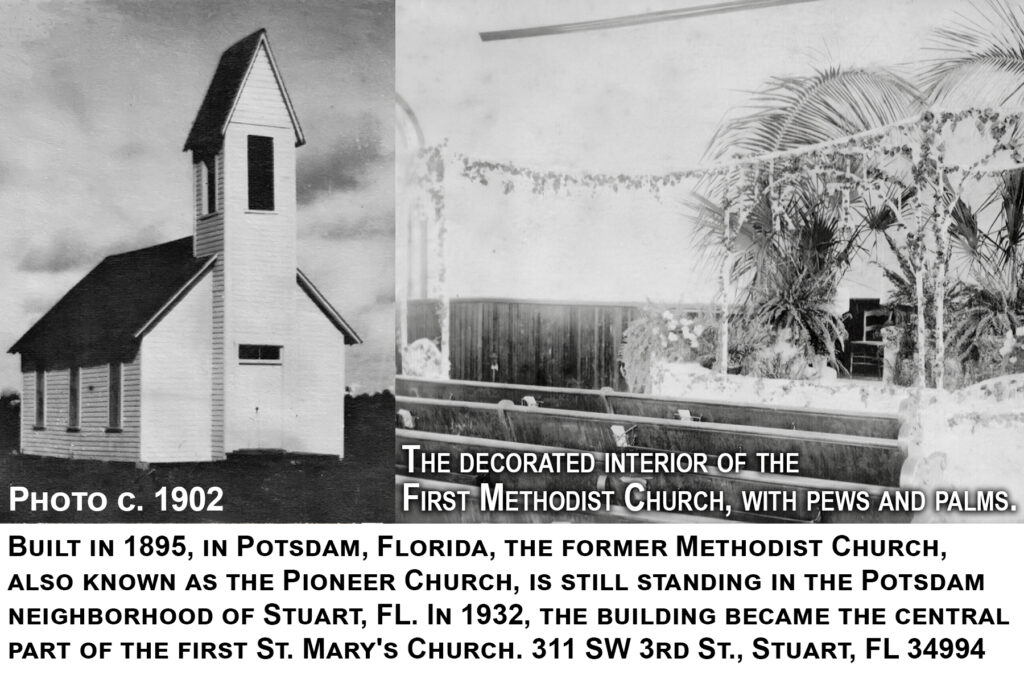
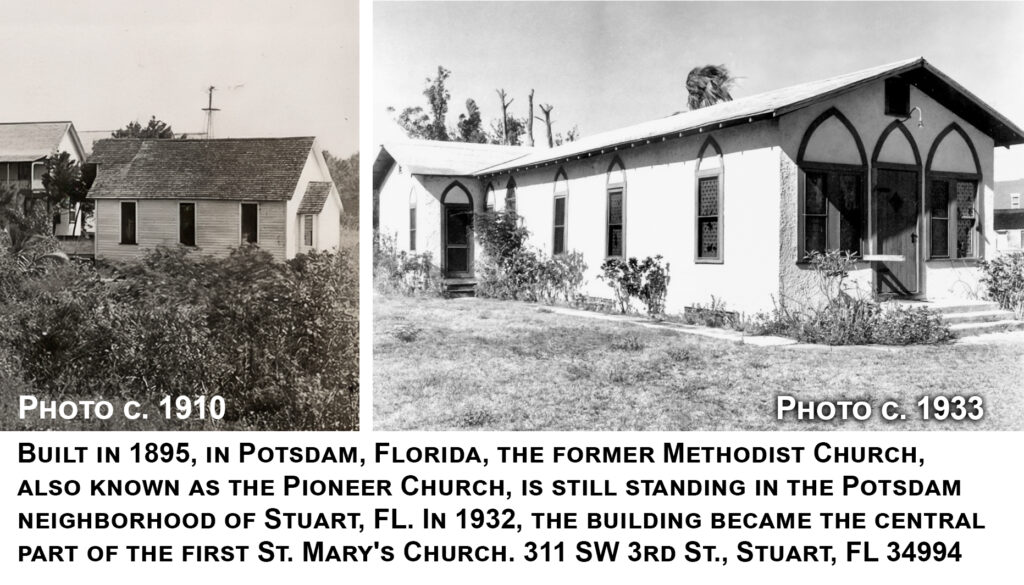
The first community church, also known as the Pioneer church, built in 1895 in Potsdam (Stuart) is located in Downtown Stuart, Florida. You are welcome to visit us! 311 SW 3rd St. Stuart, FL 34994
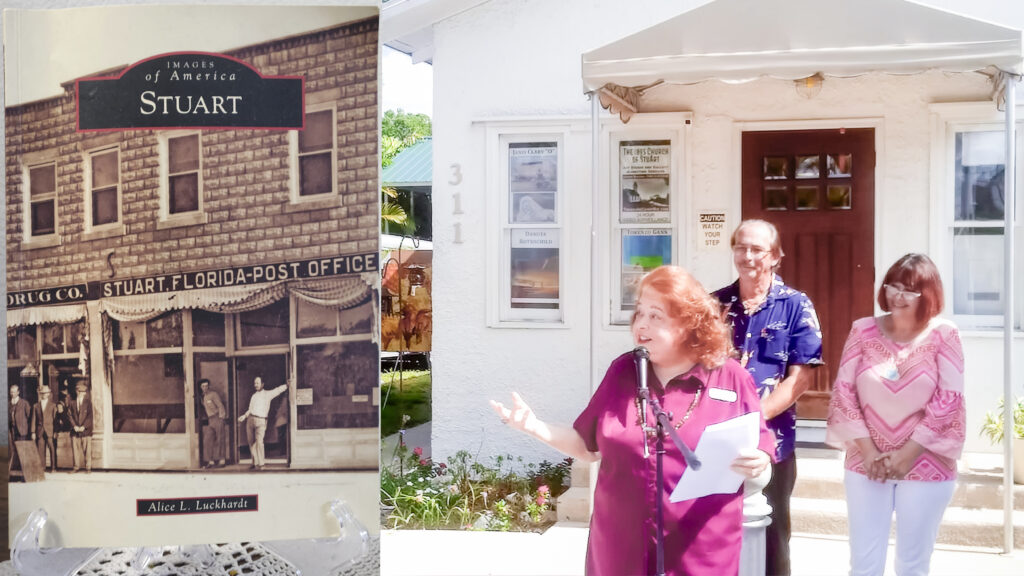
First of all, we would like to mention how grateful we are to our local historian Alice L. Luckhardt for all her guidance and advice on the restoration. She had not only a special love for this little historical church but she even new the spacing of the studs!
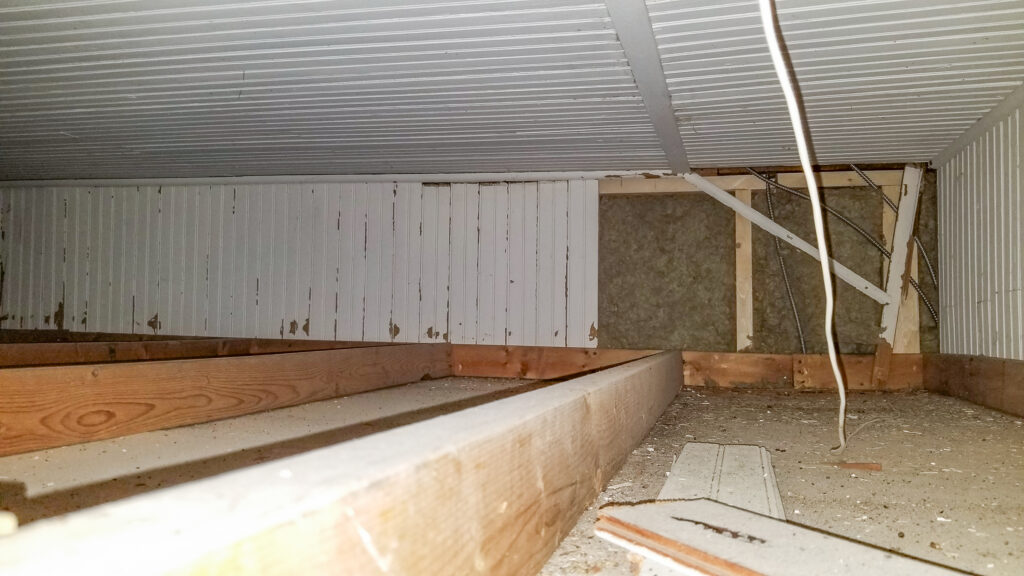
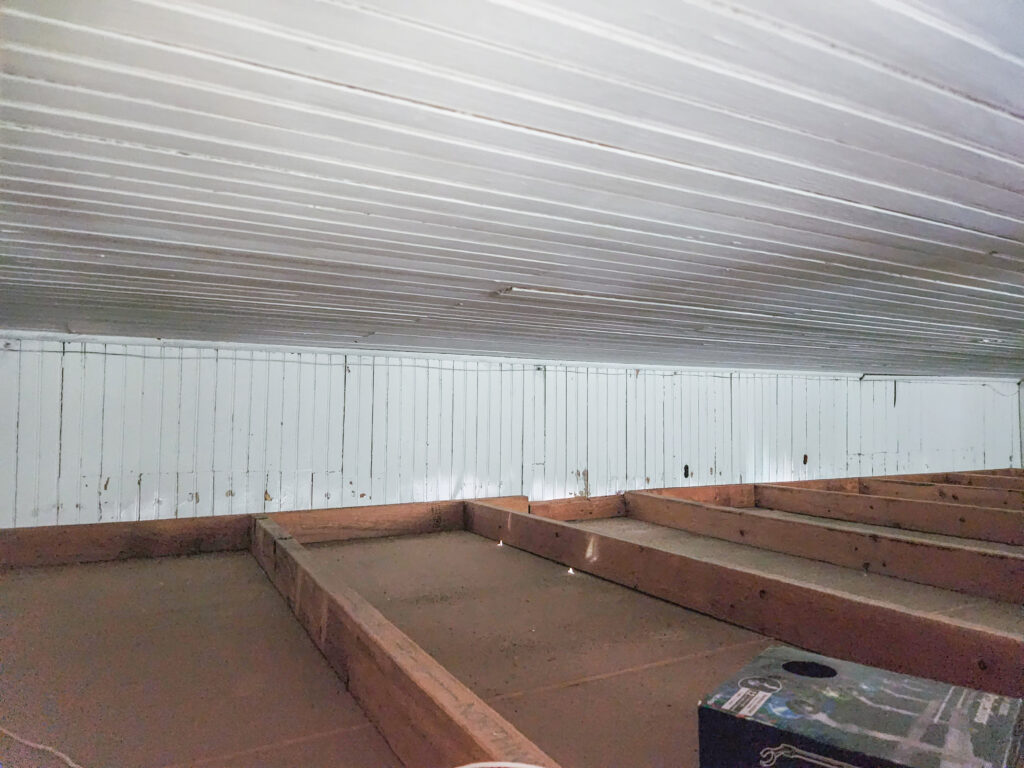
We bought the historic building at the end of June of 2019. Our first mission was to clean the attic. You can see the original beadboard ceiling above Robert W. Hamilton, Jr. (the 1895 Methodist Church section)

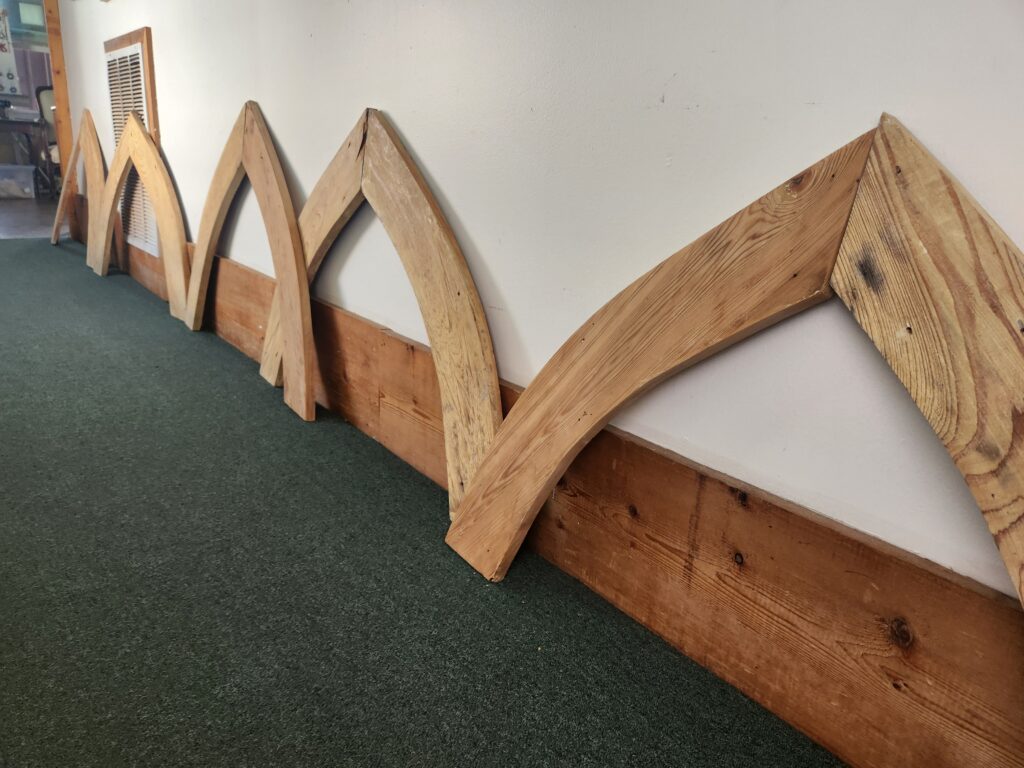
We found the lancets in the attic above the part of the building that was added in the early 1932 by the St. Mary’s Episcopal Church.

The roof features the Old Dade Pine trusses and boards. Over the century, the building survived major hurricanes in our area with no damage to the structure. In 2022, the wind mitigation and home inspector gave our roof a mean uplift resistance of at least 182 psf.

We had a small half-bathroom, or powder room, and we needed a bathroom with a shower. On March 3, 2020, we applied for permits, including the Use Change permit as well, and paid all applicable fees to the City of Stuart Building Department.
On May 7, 2020, We were granted a homestead exemption by the Martin County Property Appraiser.
Bathroom. After we removed the drywall and 1960-70s paneling, we were concerned, looking at the mess under the window. But when we removed the damaged beadboard, cleaned all the mess and pulled out the old newspapers, we were relieved – the exterior load-bearing wall studs were in a good condition. The rest of beadboard was in a very good condition. We sanded it and painted white. With the help of our professional woodworker Jonathan, all we had to do was to add extra blocking to the bathroom window. (the 1932 St. Mary’s Church section)

We restored the original beadboard on the walls and ceiling. Our bathroom design follows a 1930s aesthetic, complemented by a Victorian-style vanity. We also added a pull-chain toilet installed by Dave’s Plumbing – our local company who handled the shower plumbing in the 1932 section of the building.
The original beadboard above the drop ceiling. (in the 1932 St. Mary’s Church section)


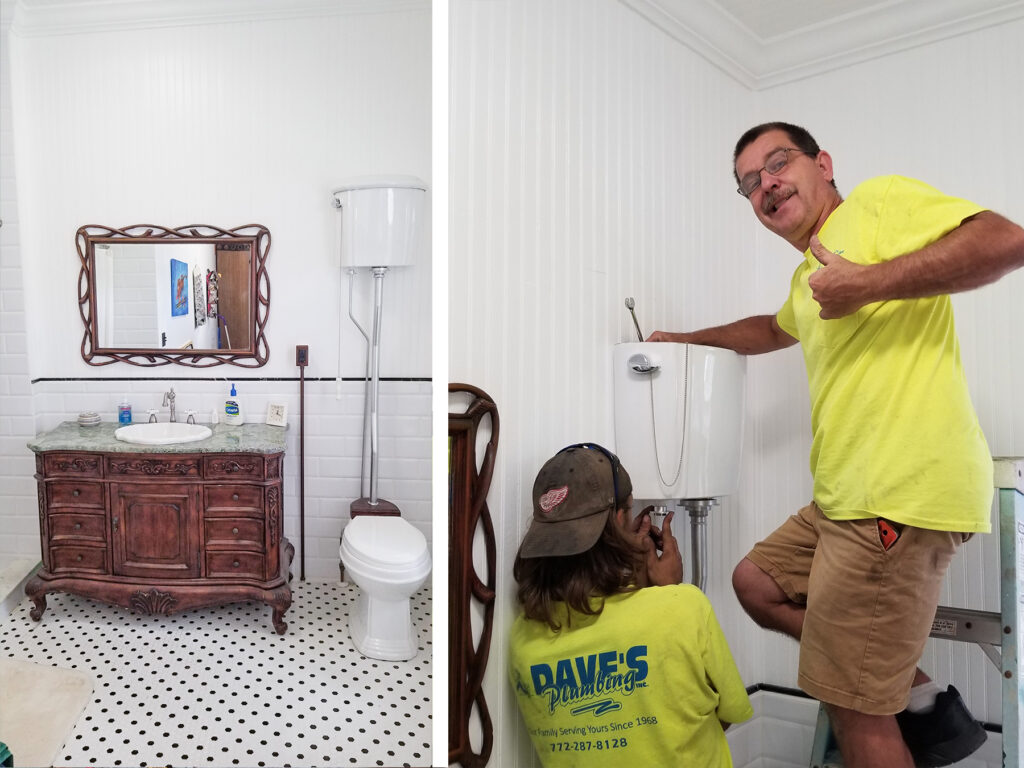
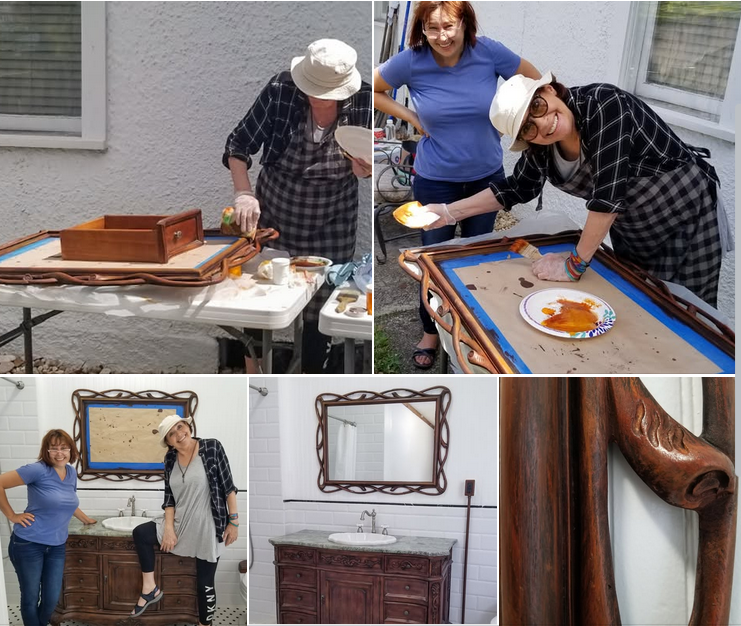
Danuta Rothschild, a professional artist, did a fantastic job on the antique mirror that Robert brought from Italy! Since the mirror was made of poplar wood and had been previously stained and painted, the new staining did not go as planned—even after we sanded it down. Danuta worked her artistic magic, perfectly matching the mirror’s color to the vanity!

January, 2021. Jonathan Kirchhoff, a professional woodworker specializing in heirloom furniture, updated our small kitchen in the 1930s section. He crafted custom cabinets, shelves, and a table from 100-year-old cypress wood sourced from Fort Denaud to match the era’s theme. You can also see the original beadboard, which will be sanded and coated.
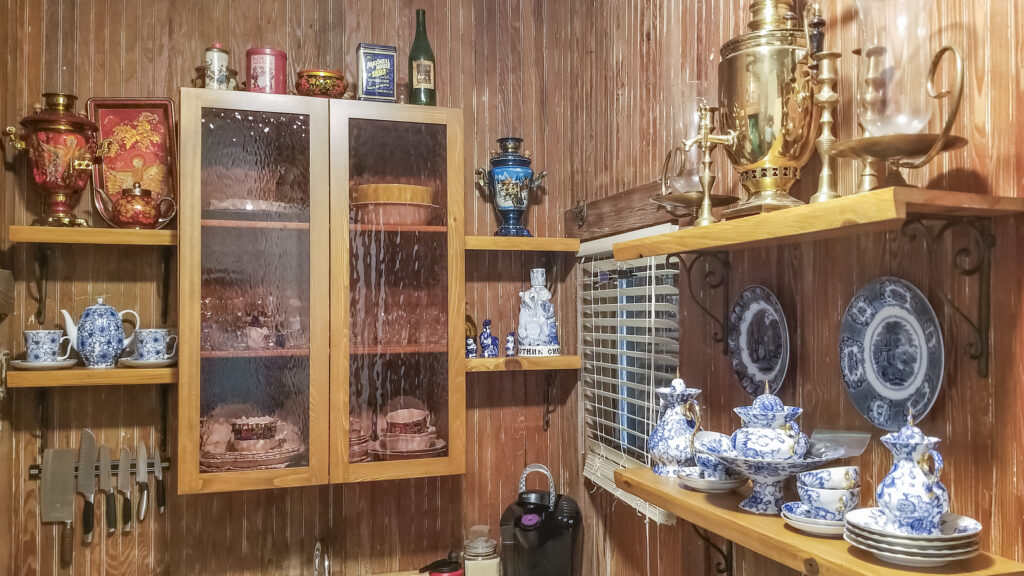
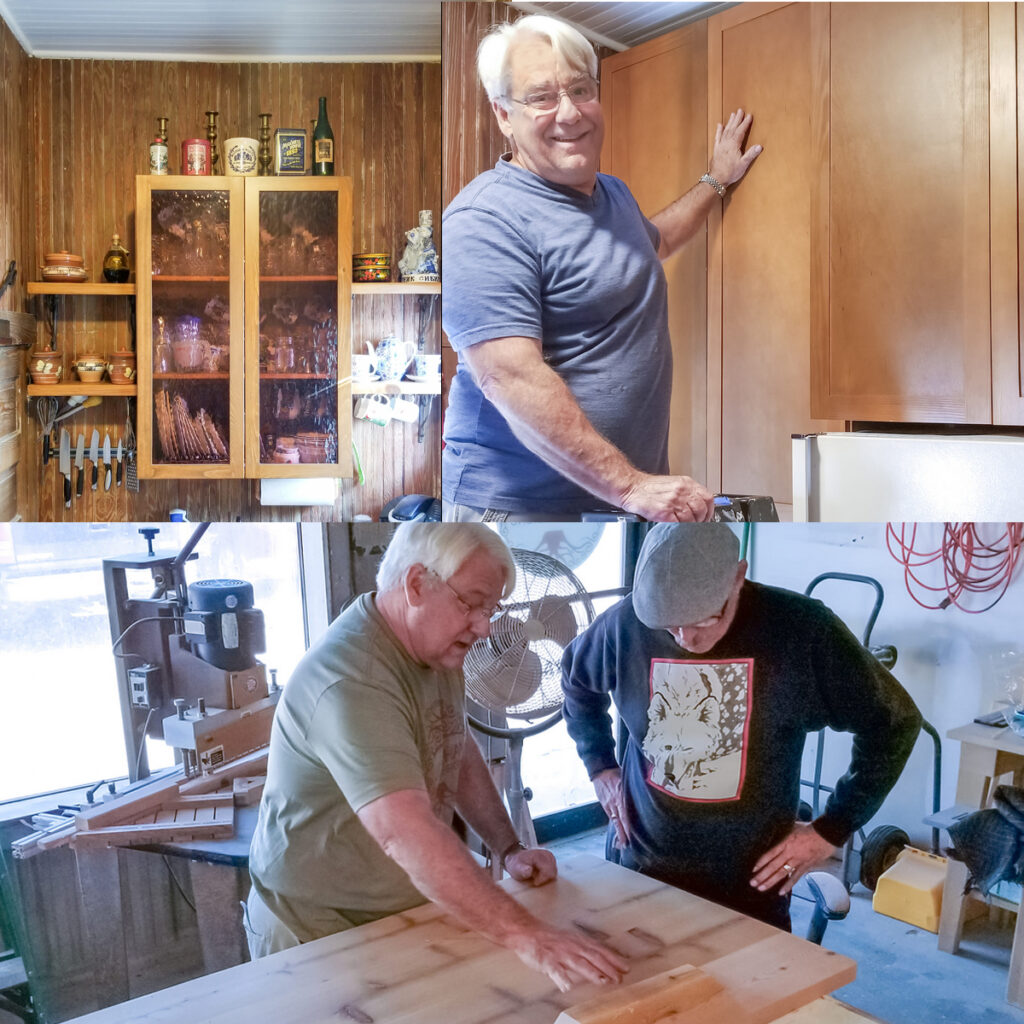
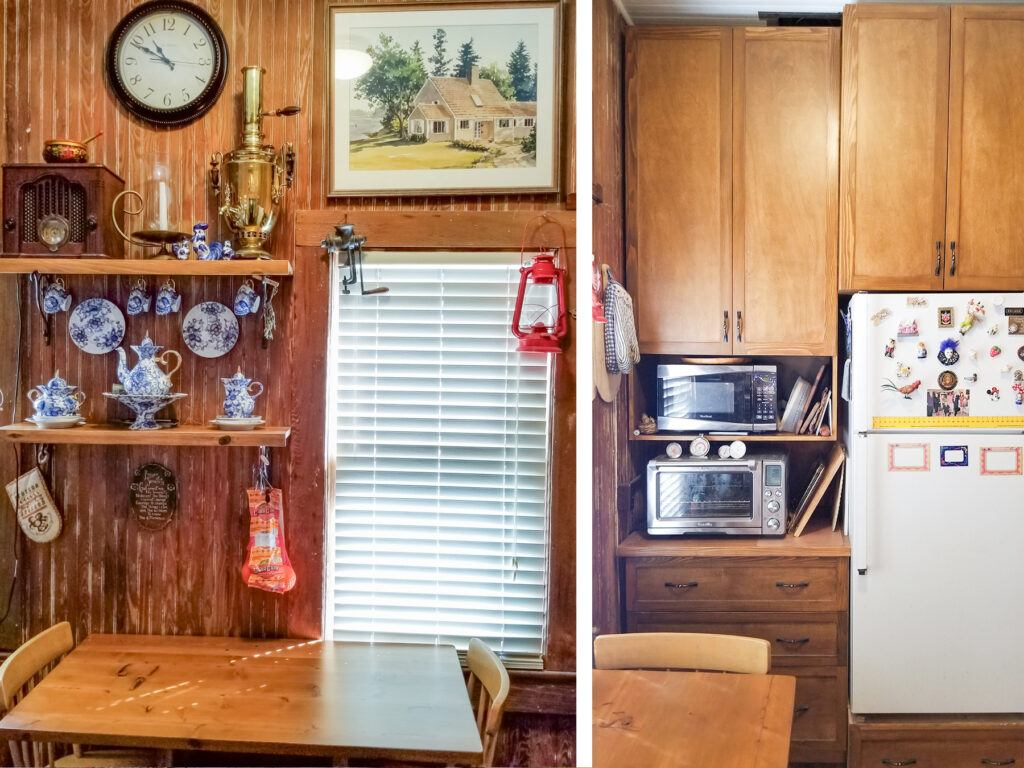
The 1932 section. After removing the drywall and the 1960s–70s paneling and cleaning the cavities, we insulated the walls with Rockwool and installed 3/4″ plywood as backing for the beadboard.

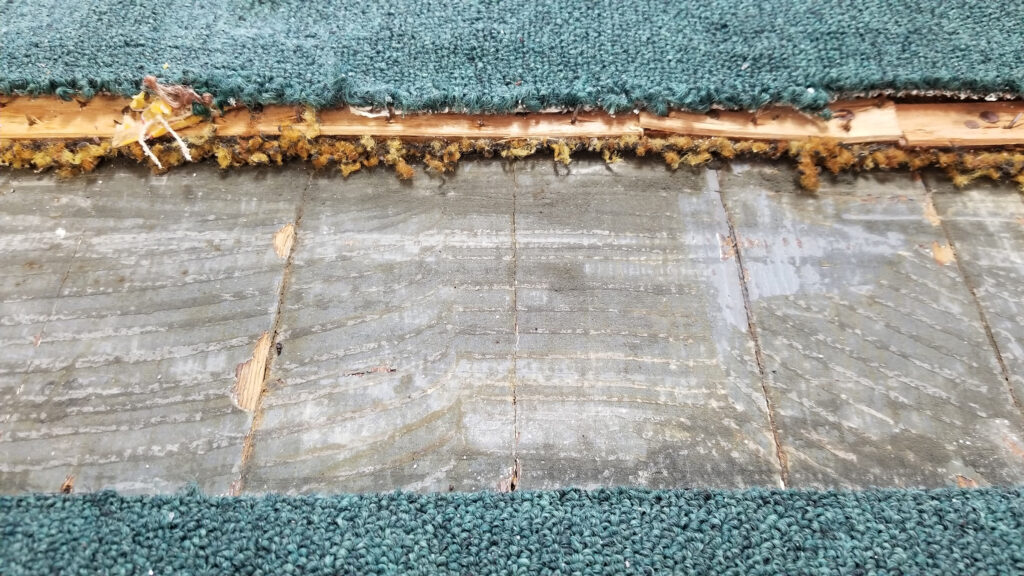
The original flooring remains in good condition beneath various layers of carpeting added over the decades. We are planning to strip away these carpet layers and restore the floor to its former glory.

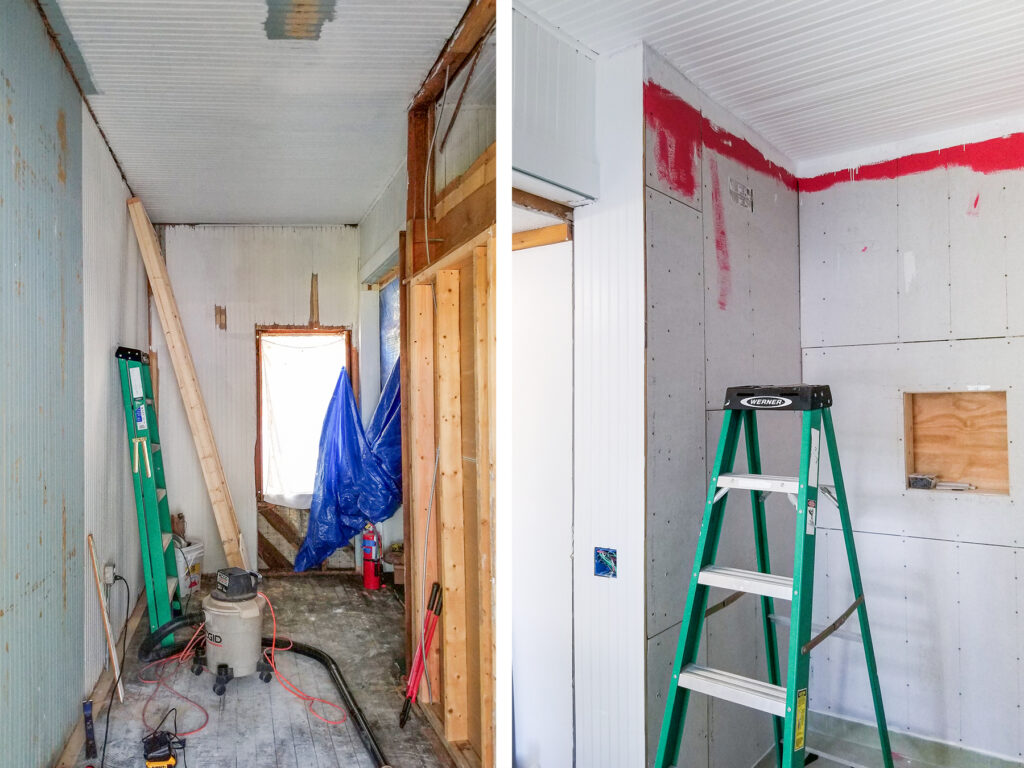
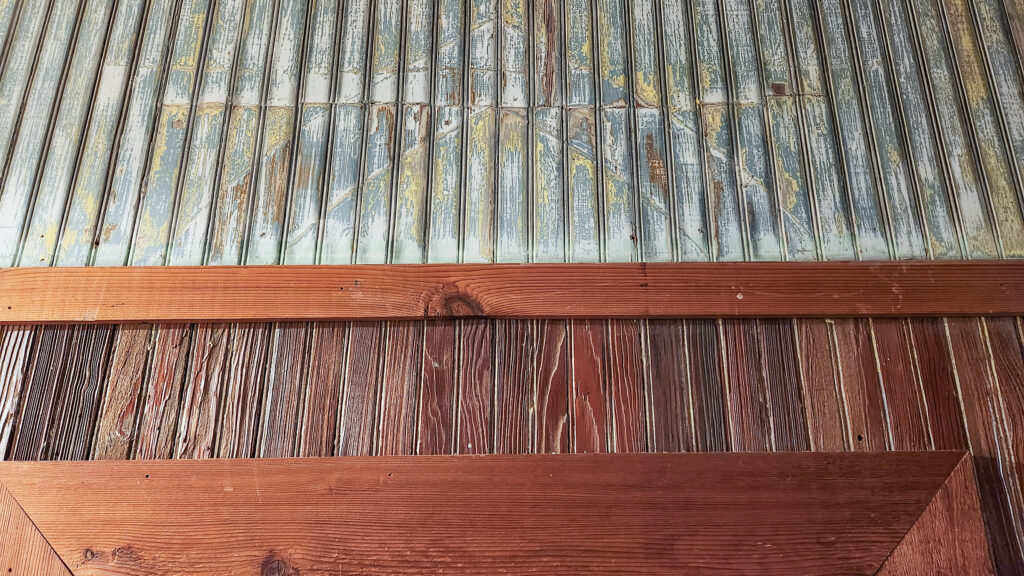
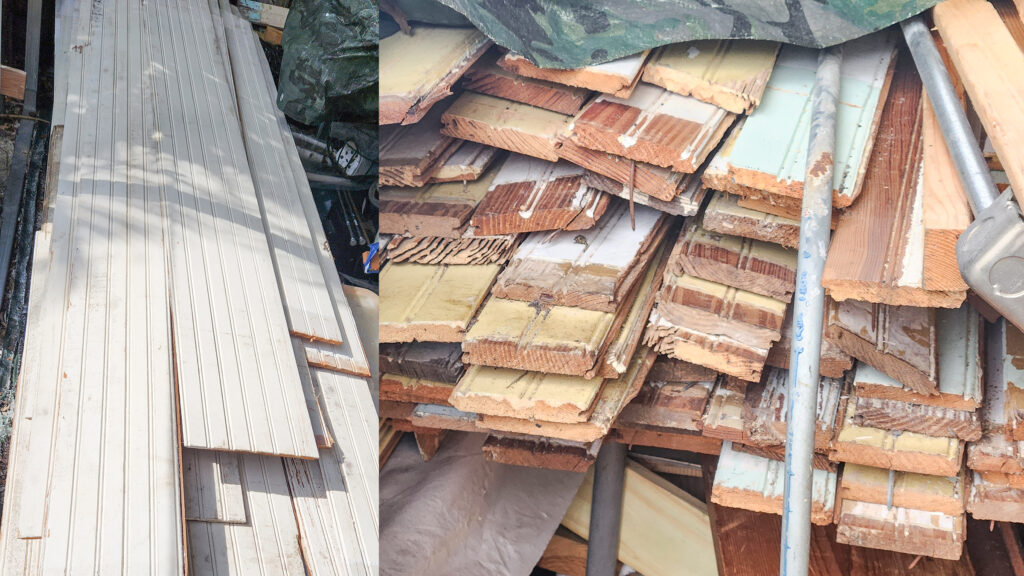
January – December, 2023 – Beadboard restoration continues. When we removed the drop ceiling, we discovered marks from the lancets above the doorways and windows. We plan to reinstall the restored interior lancets. As shown in the photo below, the beadboard was painted several times over the years; while the Methodist Church’s original color was white, it was later painted bluish-gray, yellow, and even pink.
We were still in the process of beadboard restoration when the City and Guardian CRM, Inc. brought contractors to bid on the City of Stuart Small Cities CDBG Scope of Work in September 2023.

The hallway progress December 2023

Robert and our friend Carl are ready to take down the drop ceiling and remove the 1960-70s paneling in front room (the 1932 St. Mary’s Church section)

Under the 1960-70s paneling is the beadboard paneling. Robert removed the beadboard and stored it. The beadboard paneling will be restored and put back. (the 1932 St. Mary’s Church Section)


The 1930s St. Mary’s Section: insulating the walls and reinforcing with plywood. The beadboard will be installed next.
An interesting fact about plywood. The Forest Products Laboratory, a national research laboratory operating under the U.S. Department of Agriculture Forest Service since June 1910, began testing plywood sheathing in the late 1920s and successfully erected an experimental stressedskin plywood house in 1935. Two years later, the Forest Products Laboratory built the first prefabricated low-cost plywood house. The first standard-size sheets of plywood were 3 by 6 feet, but by the early 1930s, 4- by 8-foot sheets were standard. (Source: Early 20th-Century Building Materials: Fiberboard and Plywood Richa Wilson, Intermountain Regional Architectural Historian Kathleen Snodgrass. USDA Forest Service, Technology & Development Program)
The drop ceiling is removed, revealing the original beadboard ceiling. (the 1932 St. Mary’s Church section)
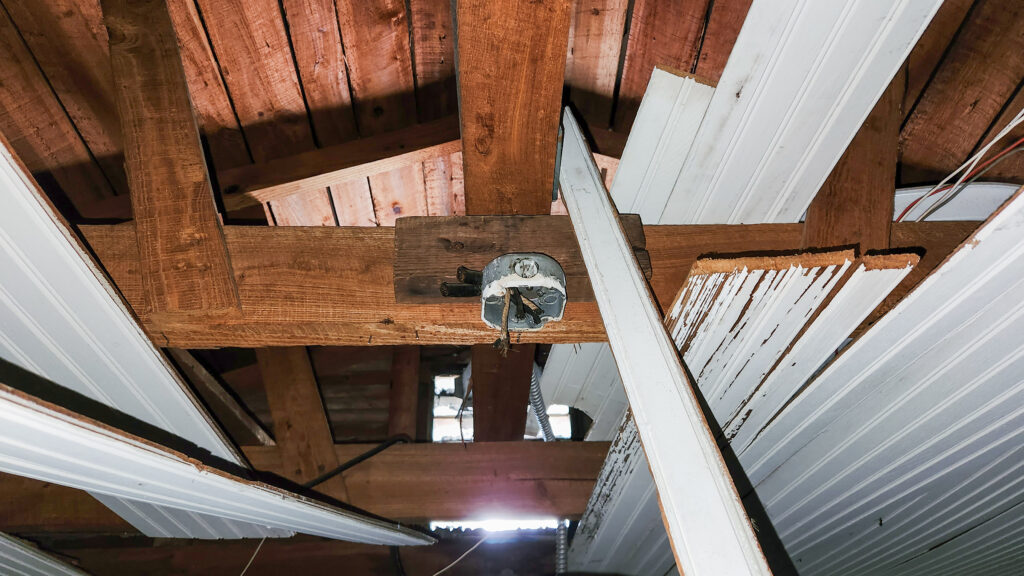
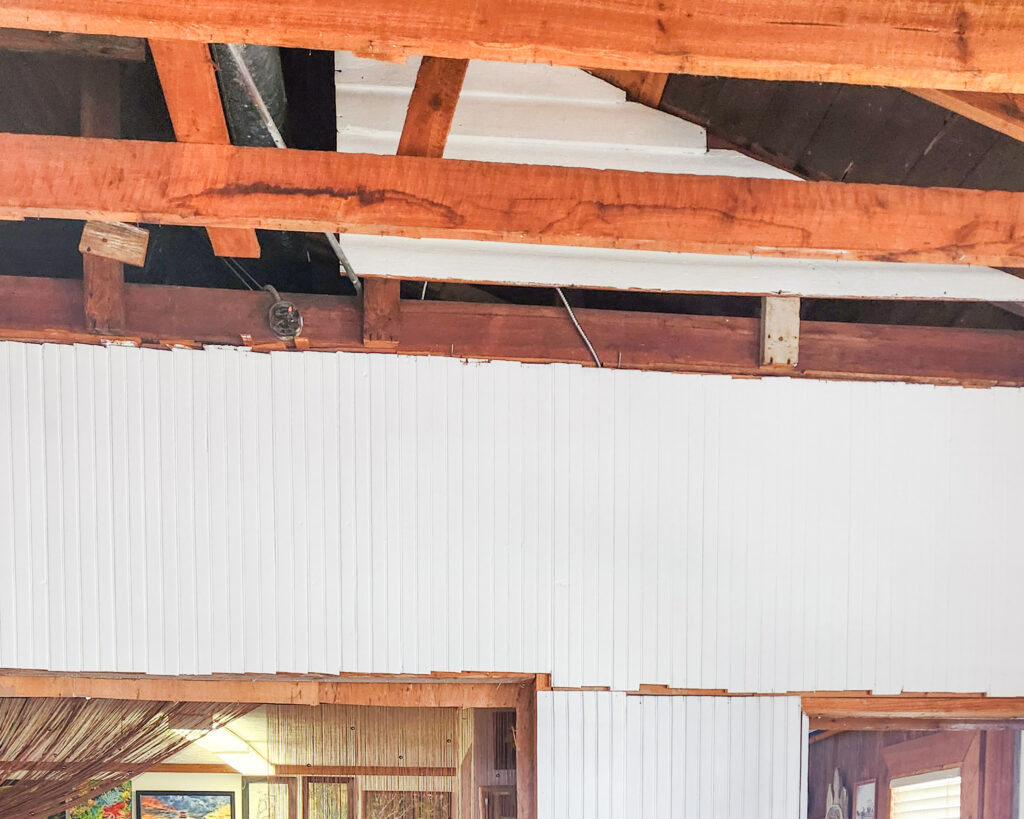
The white triangle is a part of the original 1895 gable lap siding, where the Methodist Church stipple was. View from the front entrance room added by St. Mary’s Church in 1932.
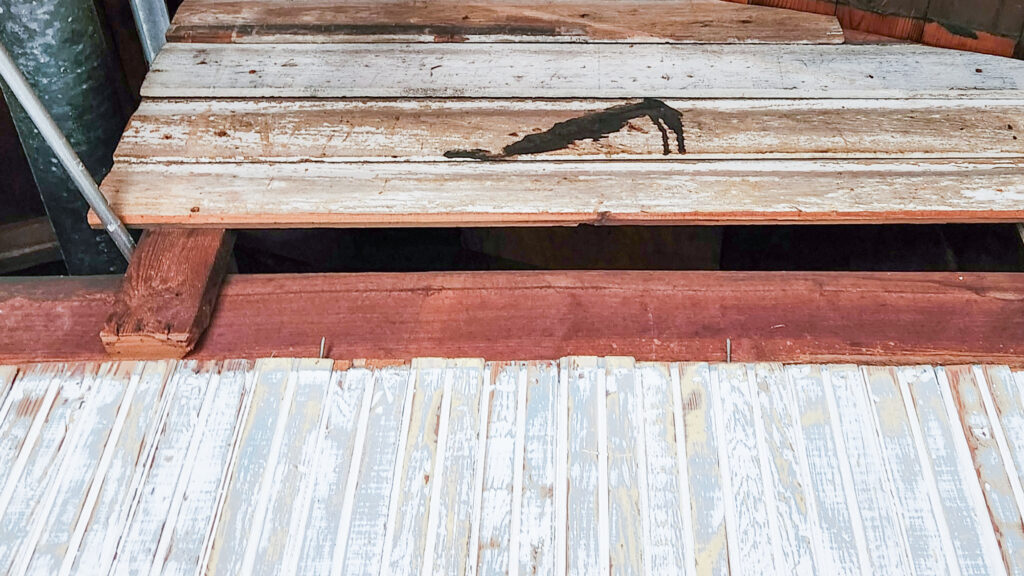
After the bead board removal, we could see that the wood lath and the wall framing were in very good condition. We insulated the walls with closed-cell foam, and after we covered the entire wall with 5/8″ plywood, reinforcing at the same time The walls are ready to install the historical beadboard over the plywood. (the 1932 St. Mary’s Church section)
On March 21, 2024, the City of Stuart CDBG contractor came to take additional photographs and window measurements.

We were preparing the walls for the installation of the beadboard.

At the end of April 2024, we had another inspection by the City and Guardian CRM, Inc. (The City of Stuart CDBG)

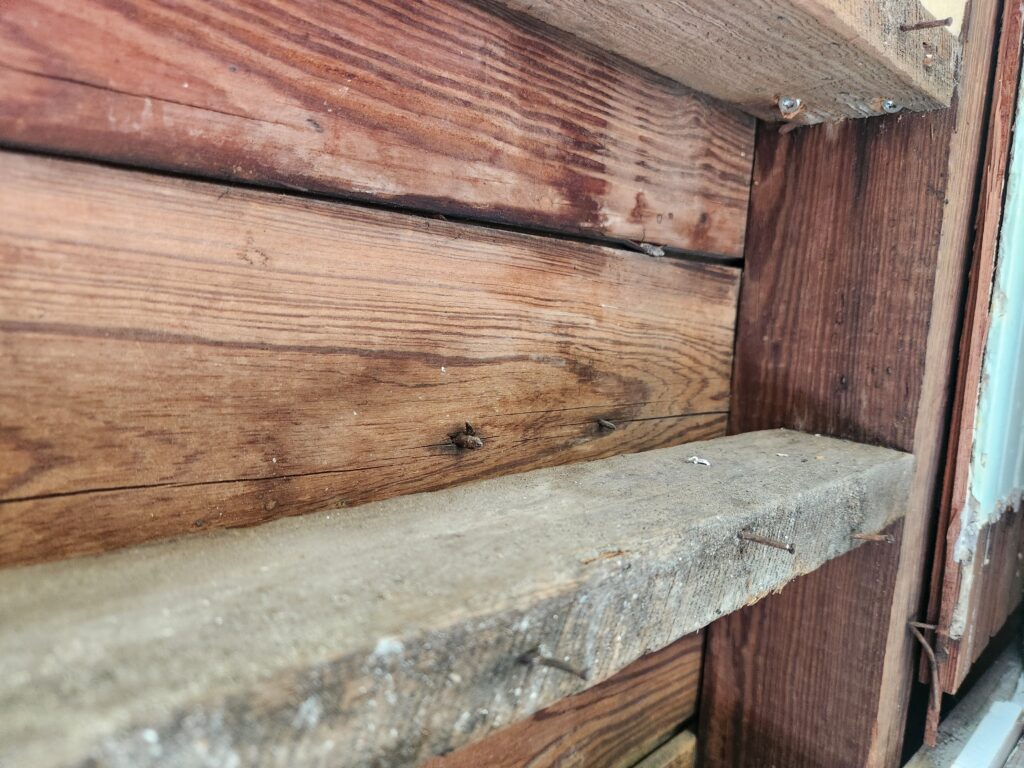
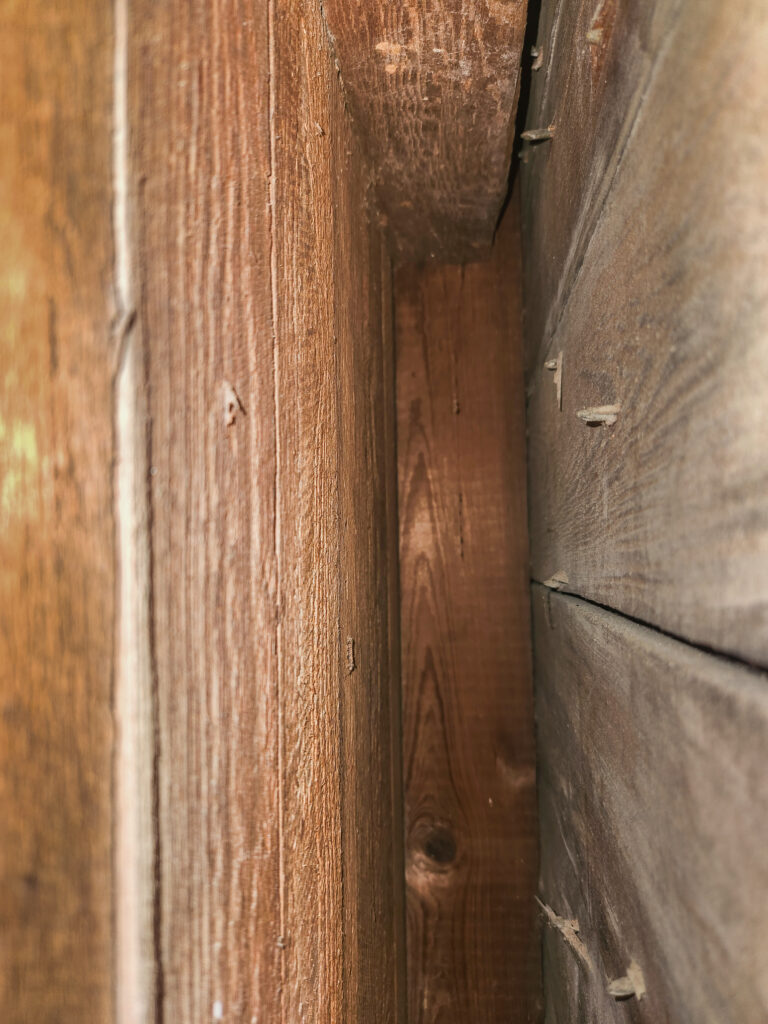
The central part of our building is the original First Methodist Church built in 1895. The pictures below show the 1895 lap siding and studs (Old Dade County Pine)
Above the drop ceiling is the original beadboard ceiling which needs to be restored. (the 1895 section)
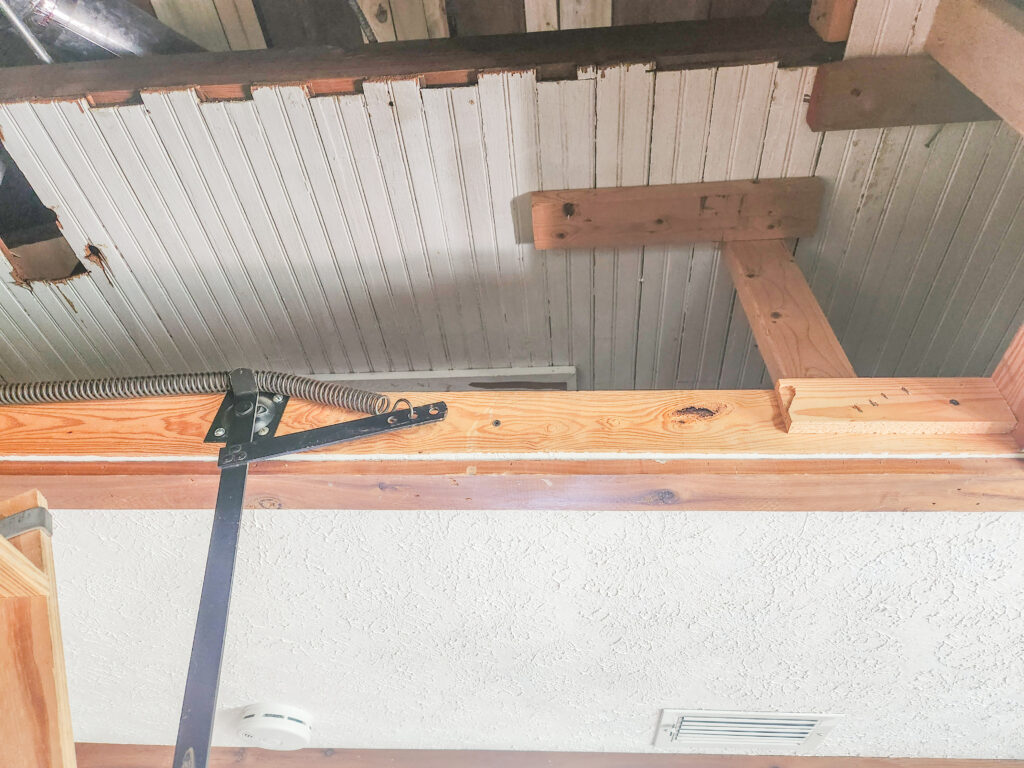
We removed the dry walls and the 1960-70s paneling, uncovered the original beadboard, and now in the process of the beadboard restoration. On May 13, 2025, Specialty Engineering Services & Solutions, Inc. also recommended: ” In a portion of the interior buildout there is a drop ceiling. Calculations based on the spacing and spans of the supporting structure show that this drop ceiling is placing an over burden on the ceiling joists and that the drop ceiling should be removed. This is not an immediate safety concern as there are only minimal signs of being over stressed, however this report must state that it should be removed for structural concerns.” (the 1895 Methodist church section)
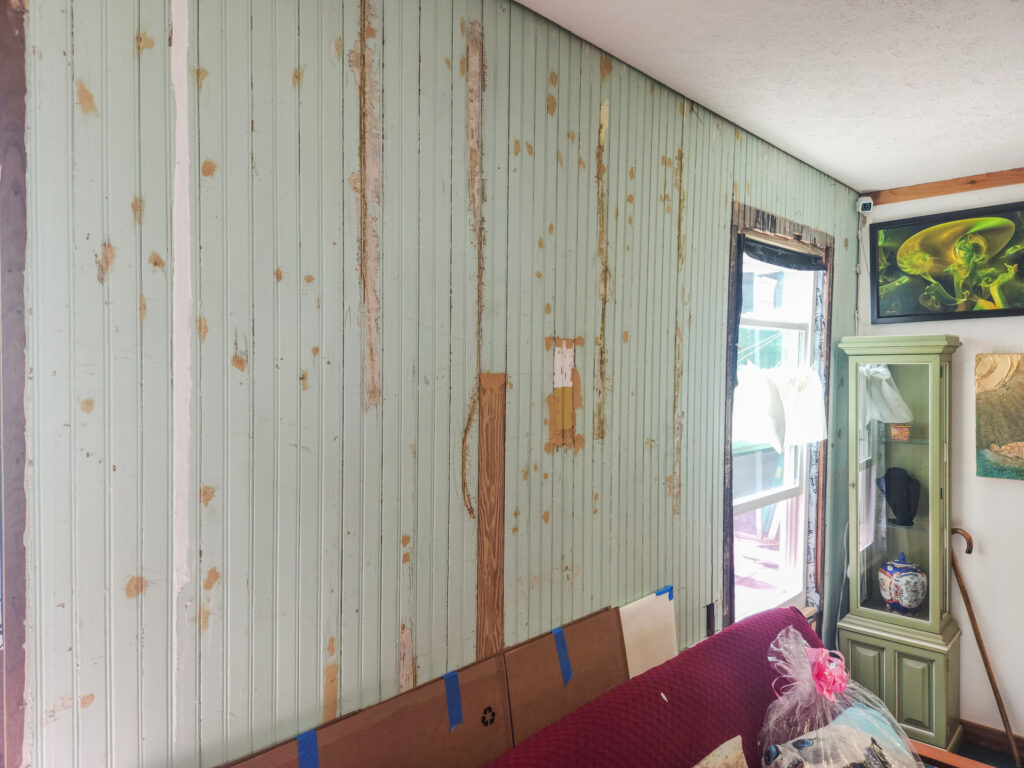
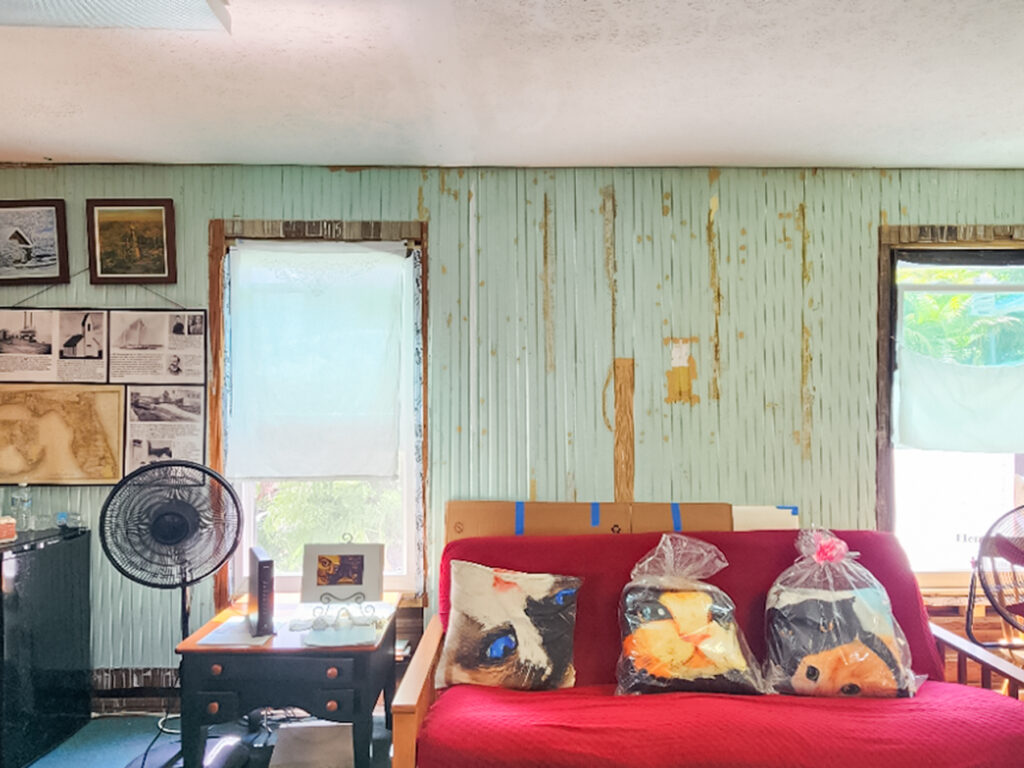
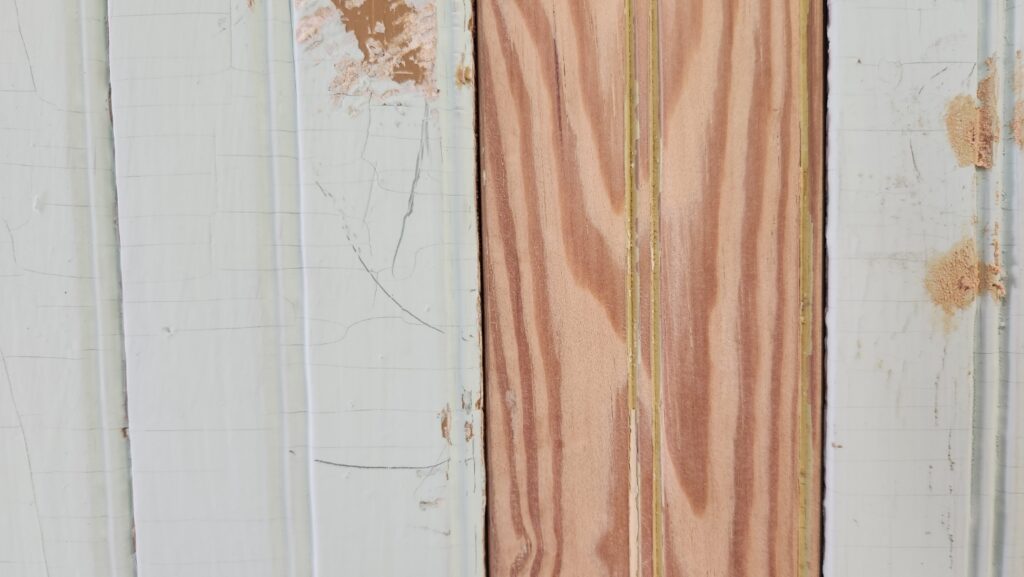
The beadboard (wall and ceiling) will be painted white.
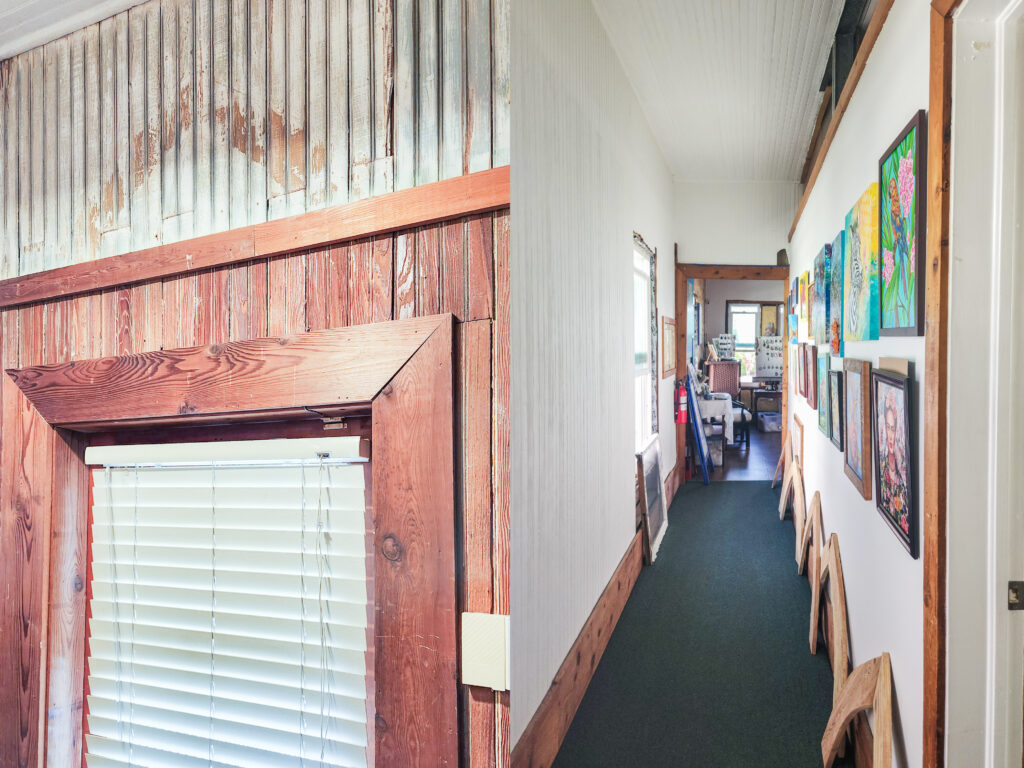
The interior lancets will be stained along with windows trim.

Restoring the original beadboard in the 1895 Methodist section and painting the beadboard white.


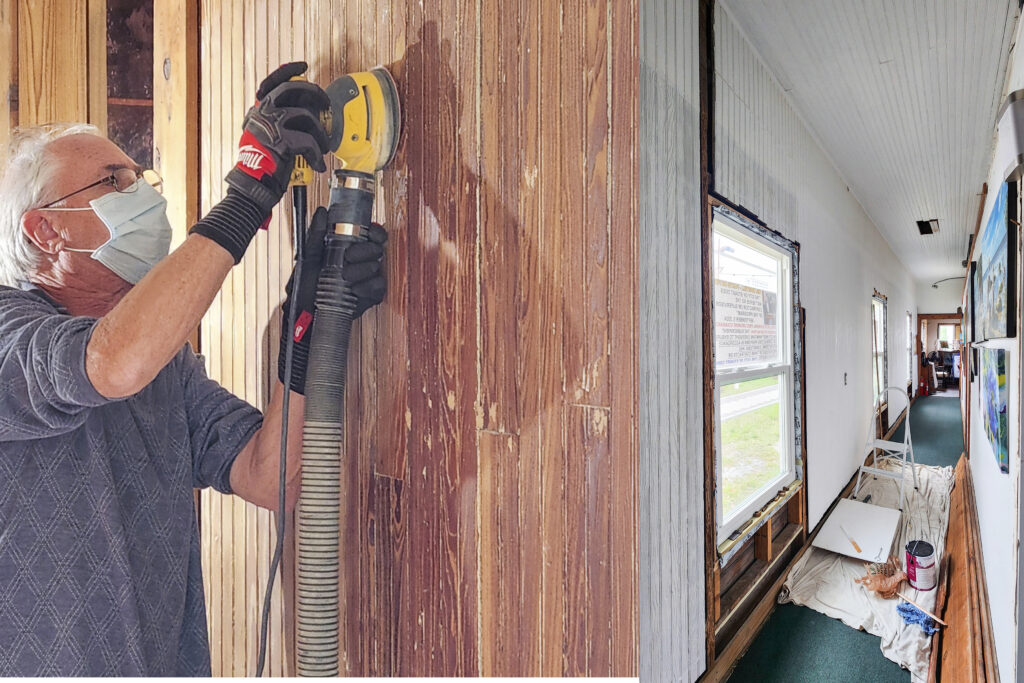

May, 2026 – installing the Dade County Pine beadboard on the hallway wall.


We are very grateful to all our friends and supporters for their altruistic help in our endeavor to preserve the Pioneer Church!


Unfortunately, due to deliberate mismanagement of the City of Stuart CDBG Program, shoddy and destructive work, fraud, and cover-ups, we are in a very tough situation. But we are keeping our hope! Please click on the Florida State letter below below to learn more about the The City of Stuart CDBG.

The building of the first community church, the oldest church building in today’s Martin County, still stands in historic Downtown Stuart, only without its steeple. The Florida Master Site File, the State of Florida’s official inventory of historical, cultural resources, lists the following state-assigned site ID number for the historical structure recorded at 311 Southwest 3rd Street, in Stuart, Martin County, Florida: MT00346.
Please follow us on Facebook – The 1895 Church of StuArt – for updates on the upcoming events and our restoration progress. www.facebook.com/The1895ChurchOfStuArt
The 1895 Church of StuArt is not tax exempt, and neither donations nor purchases from The 1895 Church of StuArt are tax deductible. We appreciate any help!
Sponsorship and advertising opportunities at our events and on the website are available. The proceeds benefit the historical building restoration and maintenance. Please contact Olga Hamilton for more information: olgahamiltonfineart@gmail.com; (772) 708-2968
The owners of the historic building contact:
Robert W. Hamilton, Jr. and Olga Hamilton
olgahamiltonfineart@gmail.com
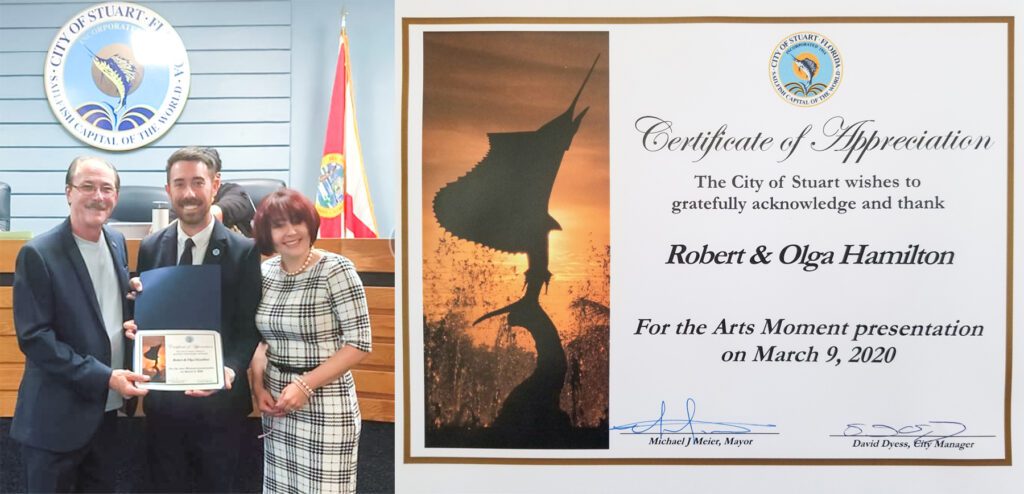
Stop by our historical church, enjoy the building’s history tour and fine art by our local artists. The sale proceeds benefit the historical building maintenance and restoration.


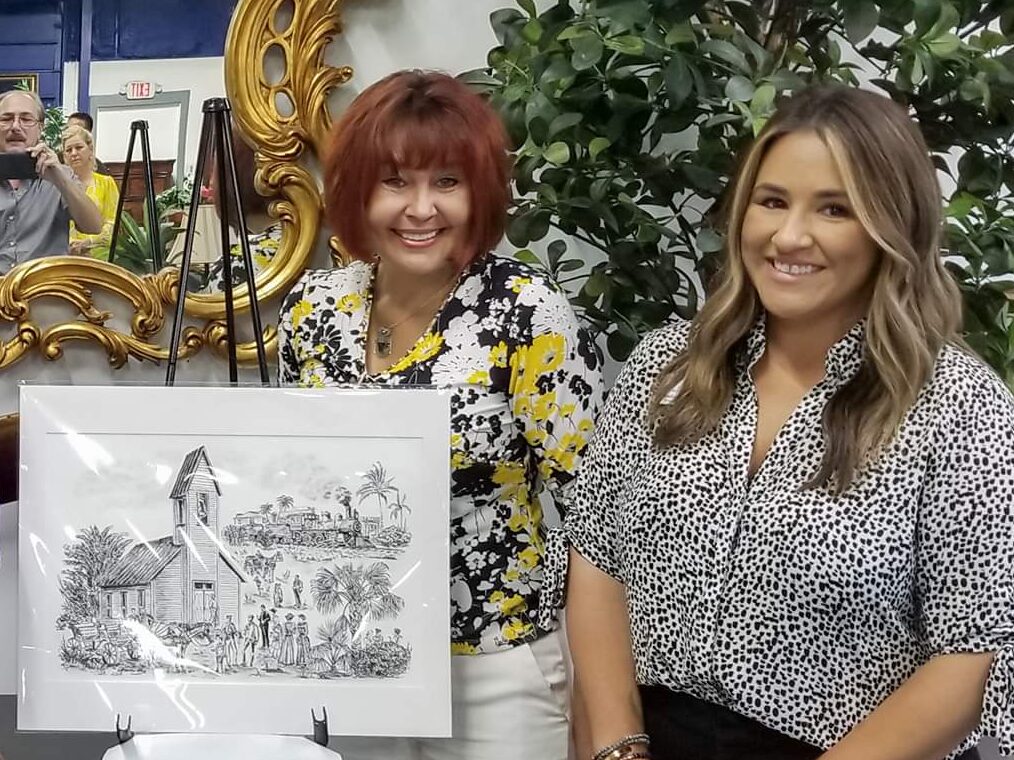
Olga Hamilton donated her special edition artwork titled ‘Gathering at the First Community Church’ to Stuart Main Street. The artwork was auctioned off by KC Daniel of Associate Auctions, a second generation auctioneer, J.D., Florida Real Estate Broker, to raise funds for Stuart Main Street.
Follow us on Facebook for updates