The site was first settled in 1870 by brothers Ernest and Otto Stypmann, German immigrants. The hamlet—a small rural settlement—was officially designated as Potsdam on maps, a name chosen by Otto Stypmann, who became the area’s postmaster in 1892.
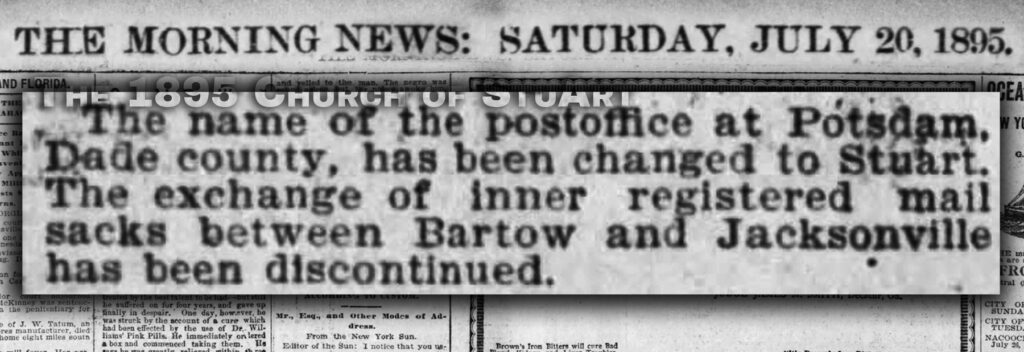
The name of the small settlement of Potsdam, Dade County, was changed to Stuart in June 1895, shortly after the first community church was built near the railroad tracks. Page 51 of the Records of the Post Office Department, 1773–1971 contains a handwritten entry showing that Broster Kitching, brother of Walter Kitching, was appointed postmaster on June 29, 1894. The next entry on the same line states, “to Stuart — 15 June ’95,” documenting the official change of the post office name from Potsdam to Stuart.
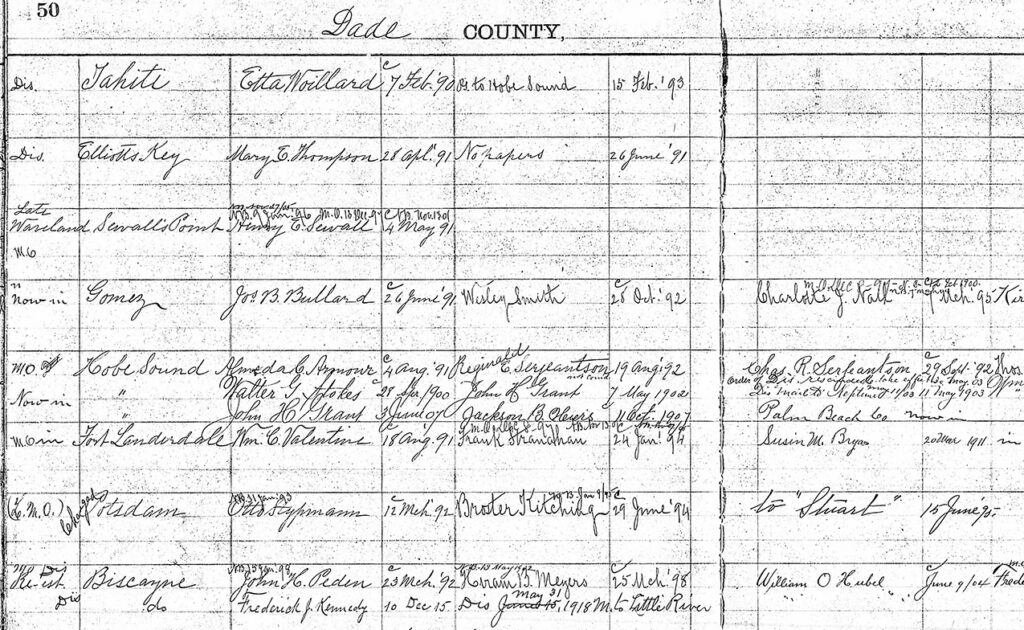
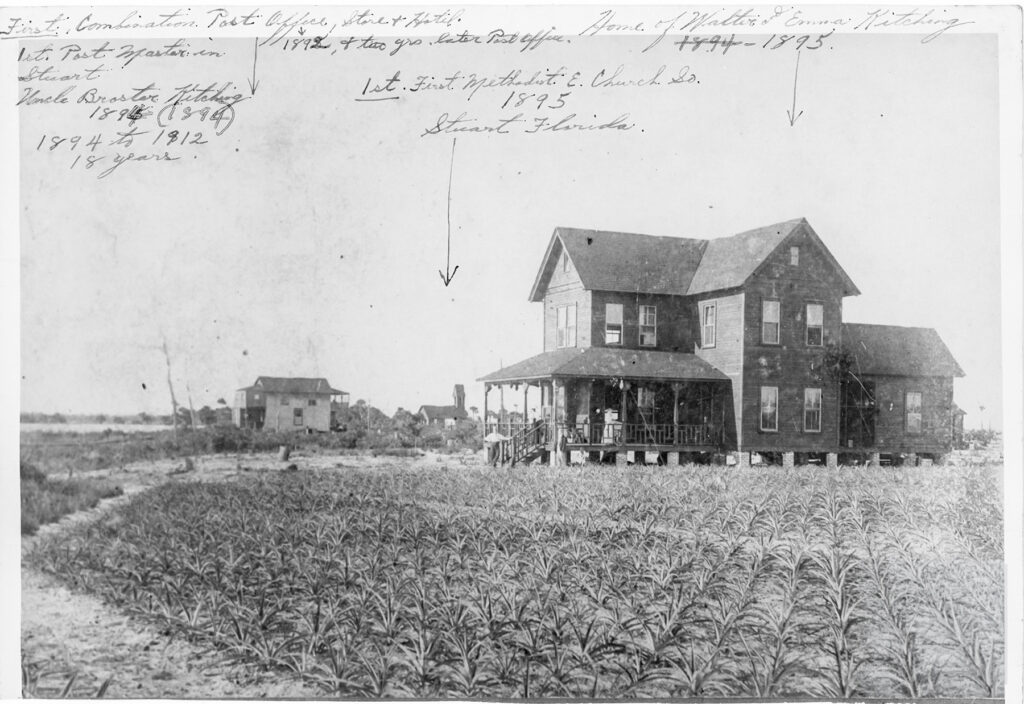
Photo below: Walter and Emma Kitching’s home, 1895. To the left stands the boarding house, store, and post office operated by Broster Kitching, who served as postmaster during the transition from Potsdam to Stuart. In the background, the steeple of the Methodist Church, built in 1895, can be seen. The church was constructed on land generously donated by Walter and Emma Kitching, whose contributions played an important role in the development of the young community. Scan gift of Josephine Paradise and the Taylor-Ashley Agency. martindigitalhistory.org. The historic church building still stands today in the Potsdam Subdivision on SW 3rd Street in Stuart (Potsdam Plat), making it the oldest surviving church structure in present-day Martin County.
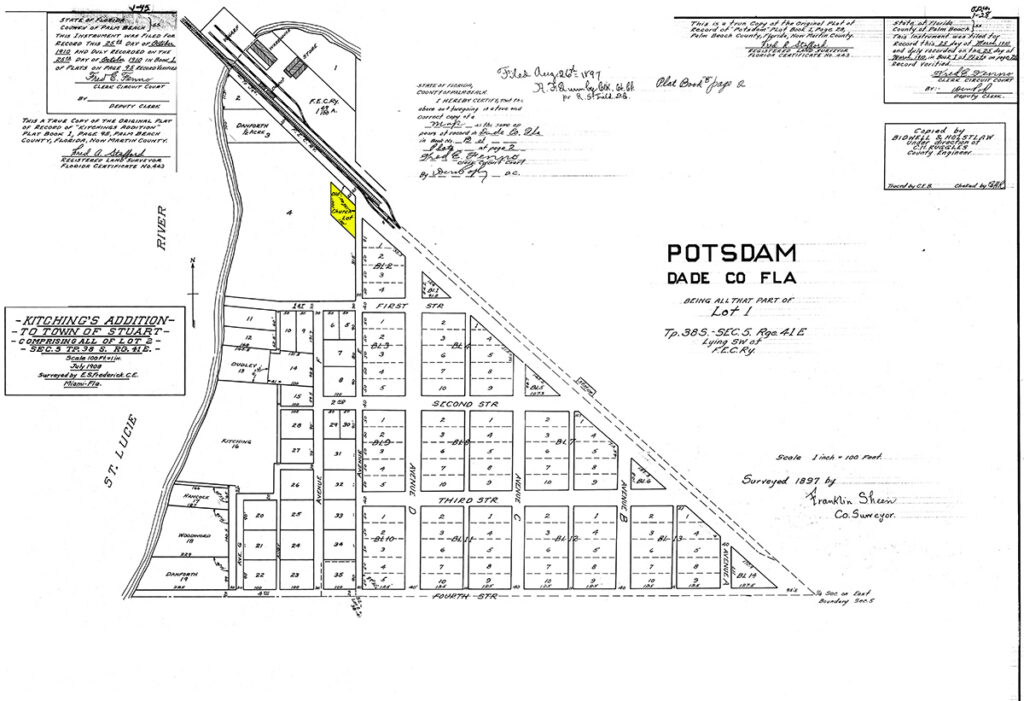
Below is a combination of two historic maps: the Kitching Addition to the Town of Stuart (surveyed 1908) and the Plat of Potsdam, Lot 1, platted by Ernst Stypmann (surveyed 1897) and recorded. The Kitching Addition map highlights the original Church Lot (marked in yellow), where the Pioneer Church was built in 1895.
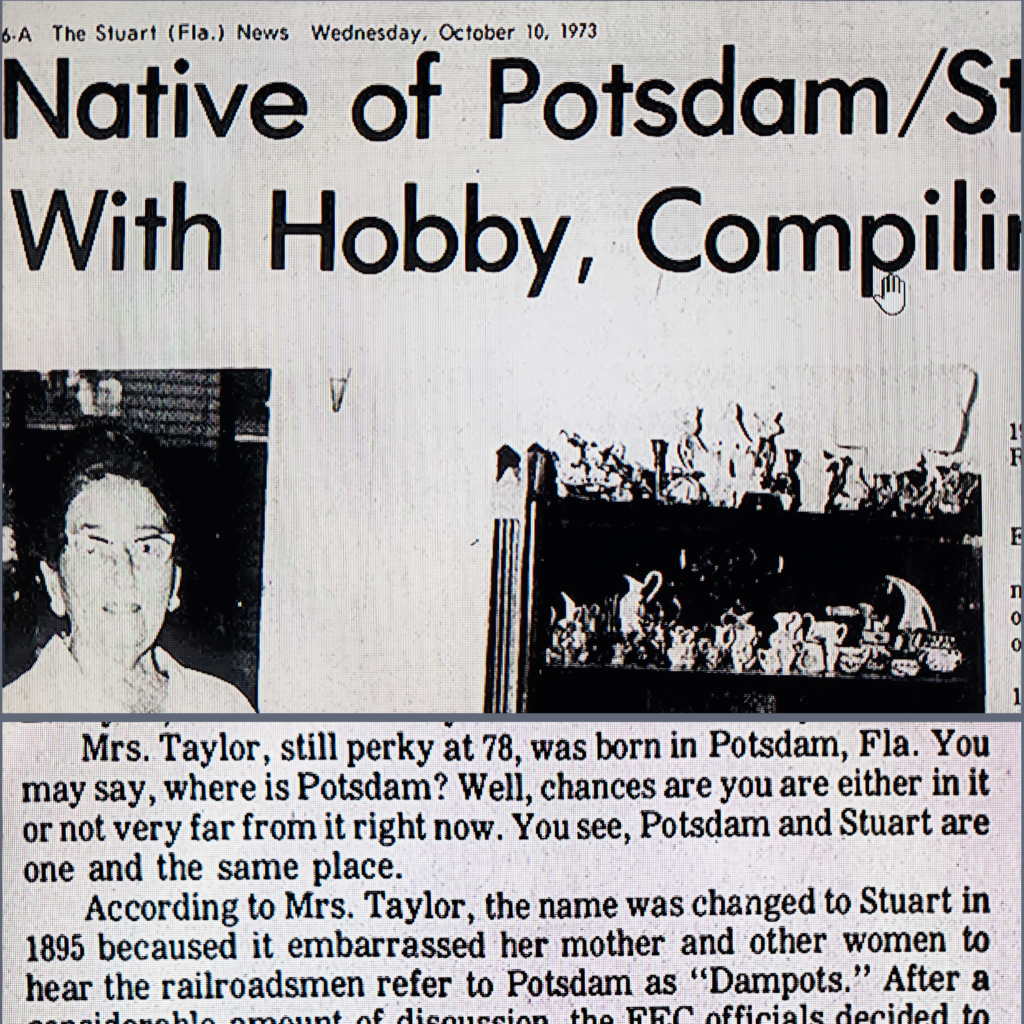
According to Josephine Kitching Taylor, daughter of Walter and Emma Kitching and wife of the late John E. Taylor, former mayor of Stuart and a noted community leader, the name Potsdam was changed to Stuart because local women disliked the nickname used by railroad workers. In an interview published in The Stuart News on October 10, 1973, Mrs. Taylor recalled that her mother and other women were embarrassed to hear railroad men refer to Potsdam as “Dampots.” As a result, community leaders, including Walter Kitching, her father, sought a more suitable name.
The fact that Stuart, Florida was named after Homer Hine Stuart, Jr. is confirmed by correspondence between Homer and his brother Inglis Stuart, Florida East Coast Railway material in the archives at Flagler Museum in Palm Beach, land records and newspaper articles published when the Stuart name referred to the settlement on the north side of the St. Lucie River.
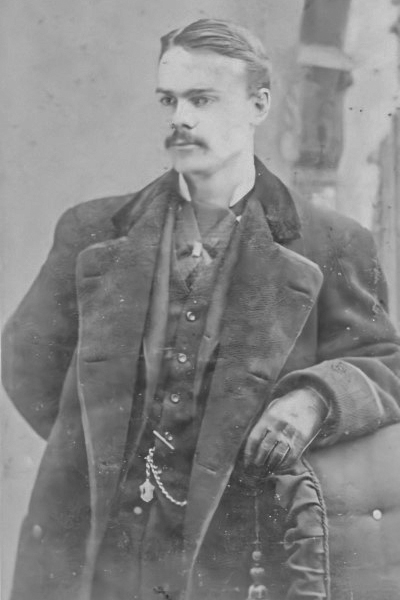
Photo: Homer Hine Stuart, Jr., Brooklyn, New York, circa 1880.
Homer Hine Stuart, Jr. was born in Willow Tree, New York, on January 30, 1855, and died on March 13, 1923. He was the son of Homer Hine Stuart, Sr., a prominent New York attorney. After completing his junior year at Dartmouth College, he accepted a position in New York City with a company that manufactured cream of tartar.
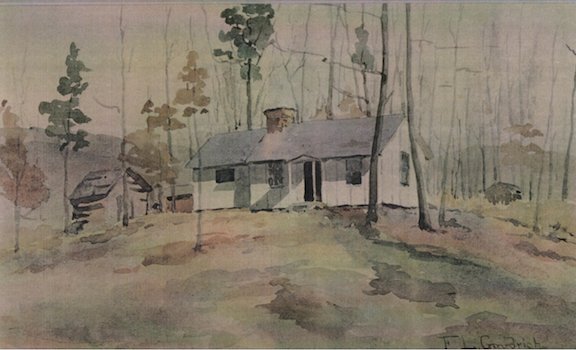
In 1883, Stuart came to Florida and established a homestead on the north fork of the St. Lucie River, where he built a bungalow he named Gator’s Nest. He acquired land through the federal homestead program and was eventually granted Certificate No. 11618, giving him title to 169 acres encompassing the peninsula that extends into the St. Lucie River at the location where the highway and railroad bridges cross the waterway today.
Although he initially intended to make Florida his permanent home, his fiancée, Margaret Kenney, declined to relocate south. Stuart eventually returned to New York, and the couple were married in Athens, New York, on October 3, 1888.
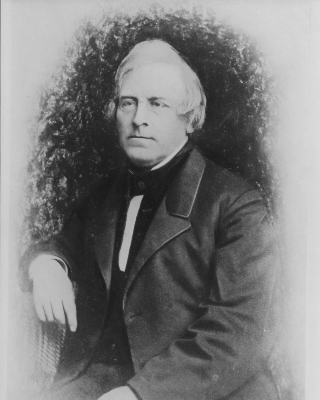
www.dunscombe.info
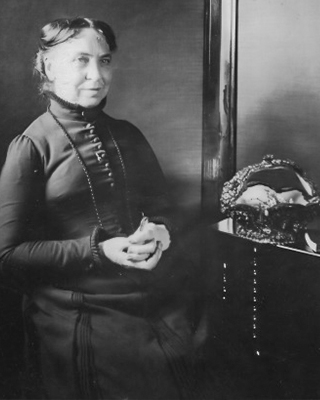
www.dunscombe.info
Homer was a long way from Florida when Henry Flagler’s Jacksonville, St. Augustine & Indian River Railway Company (later to be the Florida East Coast Railway) began acquiring right-of-way in this area, on its way to Miami and the Keys. But his younger brother, Inglis, an attorney,
was excited about the possibility of the railway going through the Stuart land, and letters that he wrote to Flagler’s lieutenants, James H. Parrott, and J. R. Ingraham, have been preserved. One of the letters offers 25 acres for the tracks, and for a depot to be called “Stuart’s Crossing.” In 1894, the railway went through Homers land, a depot was built and given the Stuart name.

Photo: Inglis Stuart, Dec. 25, 1887 (www.dunscombe.info)
Based on the correspondence, the 1918 recollection by Inglis Stuart, and the railway survey map, a remarkably detailed picture emerges of the origins of Stuart’s Crossing, the first railroad depot associated with the future City of Stuart.
In the spring of 1893, as Henry Flagler’s Jacksonville, St. Augustine & Indian River Railway pushed southward, a debate arose over where the line should cross the St. Lucie River. Inglis Stuart, acting on behalf of his brother Homer Hine Stuart, Jr., entered negotiations with railroad executives J. R. Parrott and J. E. Ingraham. On March 28, 1893, at Rockledge, Inglis proposed that the railroad cross at the Fork of the St. Lucie River rather than farther north near Hobe Sound. To encourage the route, Homer offered substantial concessions, including approximately 25 acres for railroad purposes, rights-of-way across his property, and a depot site on his homestead north of the river. In return, the railroad was asked to name the station “Stuart’s Crossing” after Homer Hine Stuart, Jr. Inglis later recalled that Parrott accepted the idea and chose the name “Stuart,” although the word “Crossing” was eventually dropped. (Letter to J. E. Ingraham, April 11, 1893)
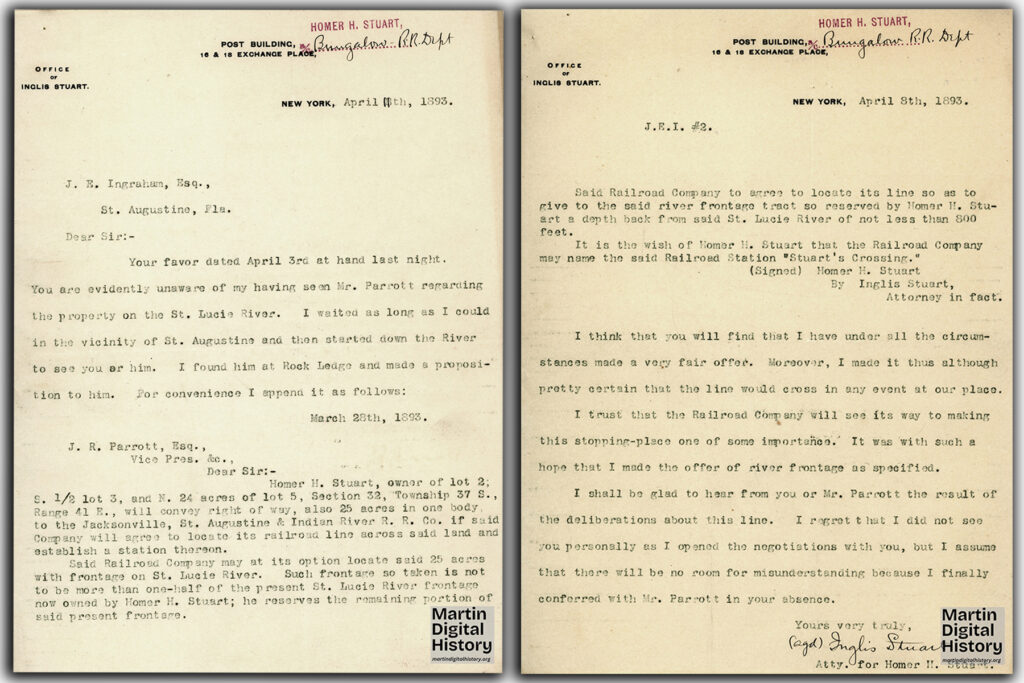
The surviving correspondence shows that the railroad was actively considering alternative routes. In an April 8, 1893 letter, Vice President J. R. Parrott suggested that if additional land could be donated on the south side of the river, the railroad would have “no difficulty in making the location.” The letter reveals that both sides of the river were being evaluated and that land contributions were an important factor in the final decision. The negotiations involved Homer Stuart’s holdings on the north side and property owned by the Bessy family and others on the south side. (Letter to Inglis Stuart, March 11, 1893)
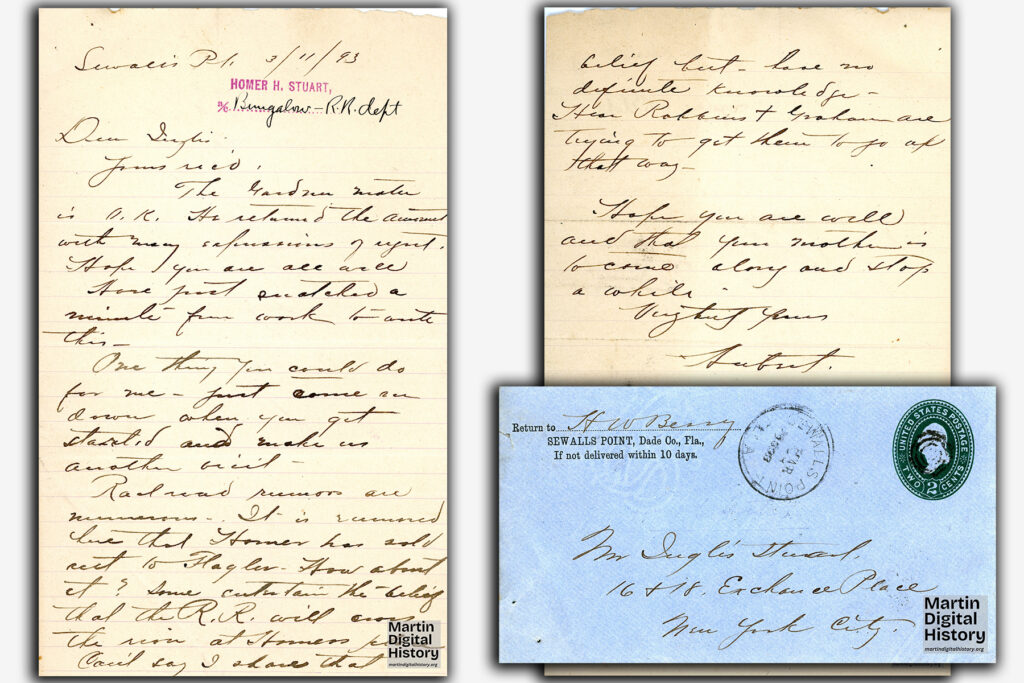
Inglis Stuart’s letters of April 11, 1893 provide even greater detail. He wrote that he had proposed a route crossing from Homer’s place on the north fork toward Sewall’s Point and emphasized that the railroad would greatly increase land values. He also enclosed a formal proposal stating that Homer Hine Stuart, owner of Lots 2, 3, 5 and portions of Lots 1 and 4 in Section 32, Township 37 South, Range 41 East, would grant land and river frontage if the railroad established a station named “Stuart’s Crossing.”
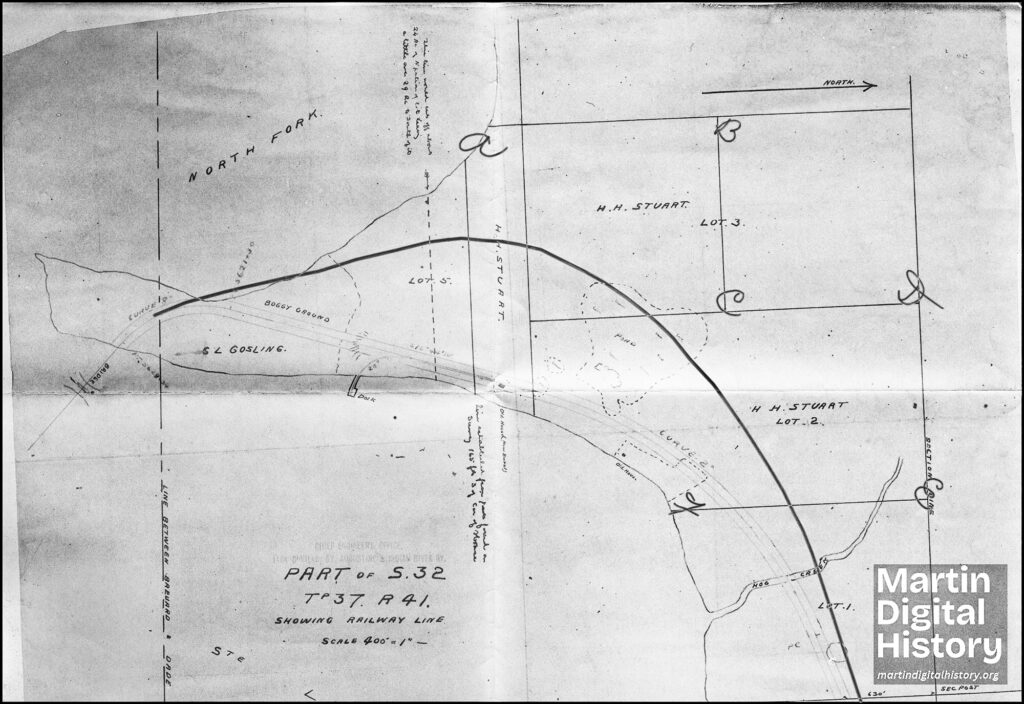
The accompanying railway map supports these letters. It shows the proposed railroad line crossing Homer’s property on the north side of the St. Lucie River, with H. H. Stuart’s Lots 2, 3, and 5 clearly marked. The route approaches the river near the location of Homer’s bungalow, Gator’s Nest, and identifies the crossing area that Inglis and the railroad executives were discussing in their correspondence. The map demonstrates that the original railroad focus was on the Stuart holdings north of the river before development shifted to the south side settlement of Potsdam. The first depot bearing the Stuart name was therefore associated with Homer’s property and the railroad crossing itself. (Letter to J. E. Ingraham, April 11, 1893)
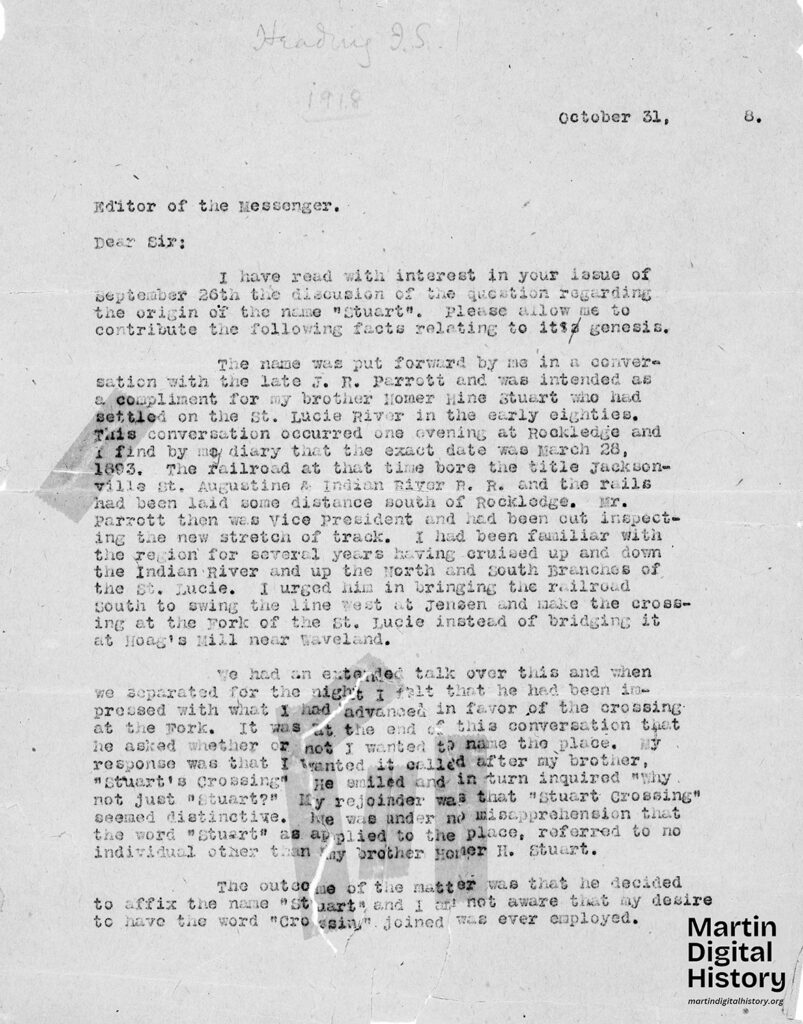
In a letter to the editor published on October 31, 1918, Inglis Stuart later confirmed the story. He stated that the name “Stuart” was proposed by him as a compliment to his brother Homer Hine Stuart, who had settled on the St. Lucie River in the early 1880s. According to Inglis, Parrott asked what the place should be called, and he replied that it should be named for his brother. The railroad adopted the name, and what began as Stuart’s Crossing eventually became simply Stuart.
Taken together, the letters and map demonstrate that the first depot known as Stuart’s Crossing originated from negotiations between the Stuart family and Flagler’s railroad in 1893. Homer Hine Stuart’s offer of land, rights-of-way, and depot facilities helped secure the crossing location and the station name.
The first train rolled across the St. Lucie River in the spring of 1894. That year, Henry Flagler’s Florida East Coast Railway extended its line southward, connecting communities along Florida’s east coast and eventually linking Jacksonville and Miami. The arrival of the railroad in Stuart marked a significant milestone in the region’s history, providing vital transportation. The railway played a major role in the economic development of the Treasure Coast.
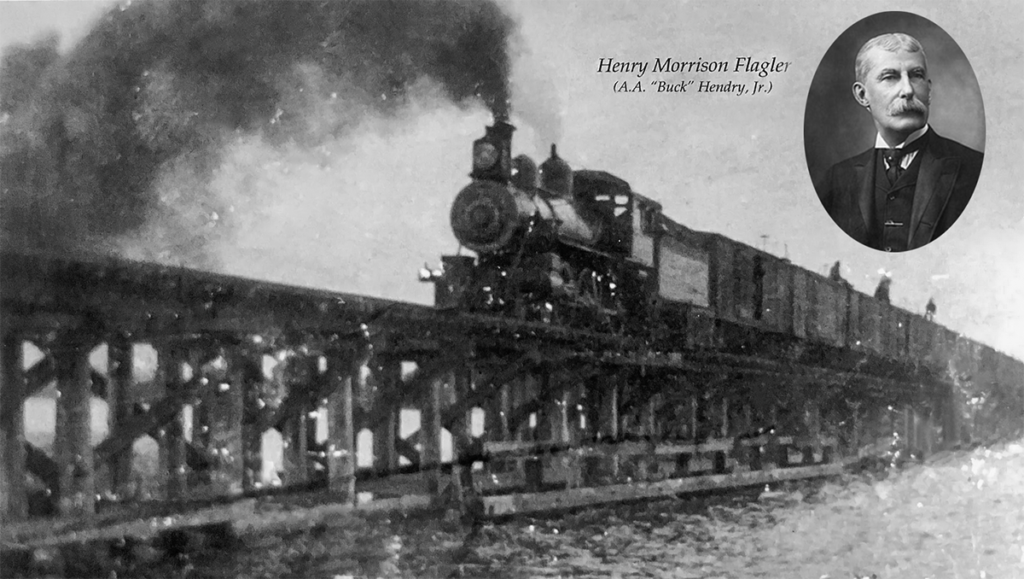
By February 1894, Henry M. Flagler’s Florida East Coast Railway had reached Fort Pierce, and he planned to extend the line south along the Indian River through Jensen Beach and Sewall’s Point, then build a bridge across the St. Lucie River to what is now Port Salerno before continuing on to Palm Beach, where he had already constructed a luxury hotel. However, Flagler encountered opposition from local pineapple growers, who did not want railroad tracks running through their plantations and refused to sell the rights-of-way he needed. As a result, Flagler faced a significant obstacle in completing the railroad’s southward expansion.
Far-sighted Walter Kitching, who came to Florida in 1883, recognized the commercial potential of the St. Lucie River region and was eager to help solve the railroad’s right-of-way problem. As the owner of extensive property along the river, including land where the Florida East Coast Railway bridge would eventually cross near the present-day Roosevelt Bridge, Kitching saw the railroad as essential to the area’s future growth. When Henry Flagler encountered opposition from pineapple growers who refused to grant the rights-of-way needed for the railway’s southward expansion, Kitching stepped forward with an offer that would help shape the future of the community.
Recalling the agreement years later, Kitching stated: “I offered the railroad $200 in cash and all the land they required if they would give us a railroad dock and depot on this side. They accepted the land and built the dock.” His efforts succeeded in bringing the railroad to the south side of the St. Lucie River, where the settlement of Potsdam was developing.
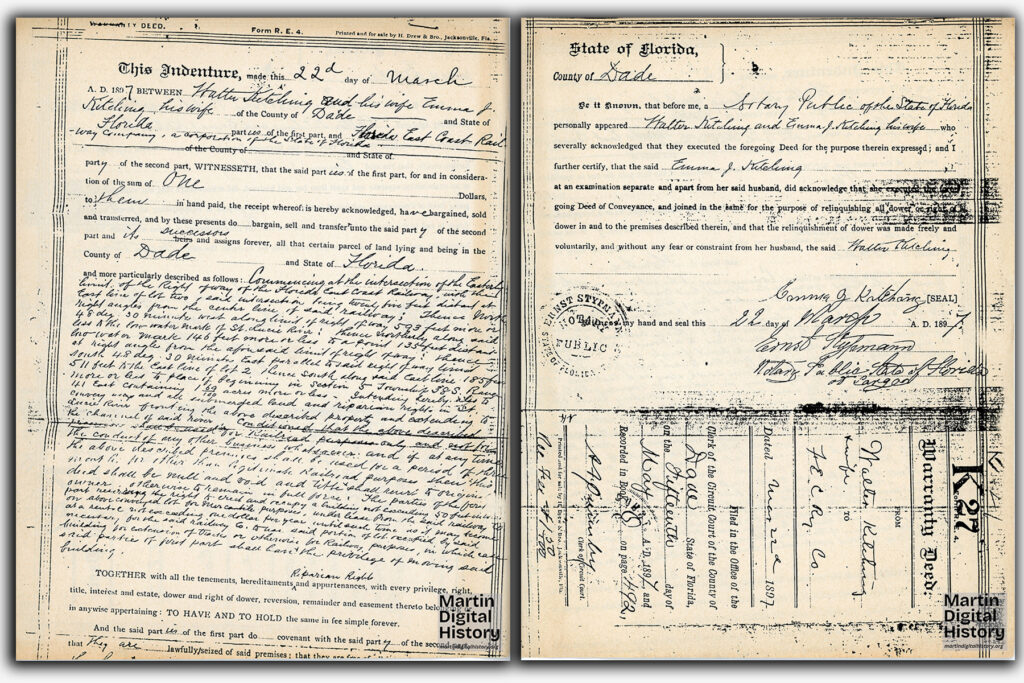
The arrangement was later formalized in a warranty deed executed by Walter and Emma J. Kitching on March 22, 1897, conveying approximately 1.69 acres of riverfront property and valuable riparian rights to the Florida East Coast Railway Company. The deed reveals that the transfer was made specifically for railroad purposes and included a provision requiring the railway to maintain a passenger station on the site. If the railroad failed to maintain the station, ownership of the property would revert to the Kitchings. The agreement also reserved certain rights to the Kitchings, including the ability to maintain a building on the property under lease from the railroad. Recorded in Dade County on May 8, 1897, the deed provides direct documentary evidence of the Kitchings’ contribution to the establishment of the railroad depot and dock that became a focal point of the growing community.
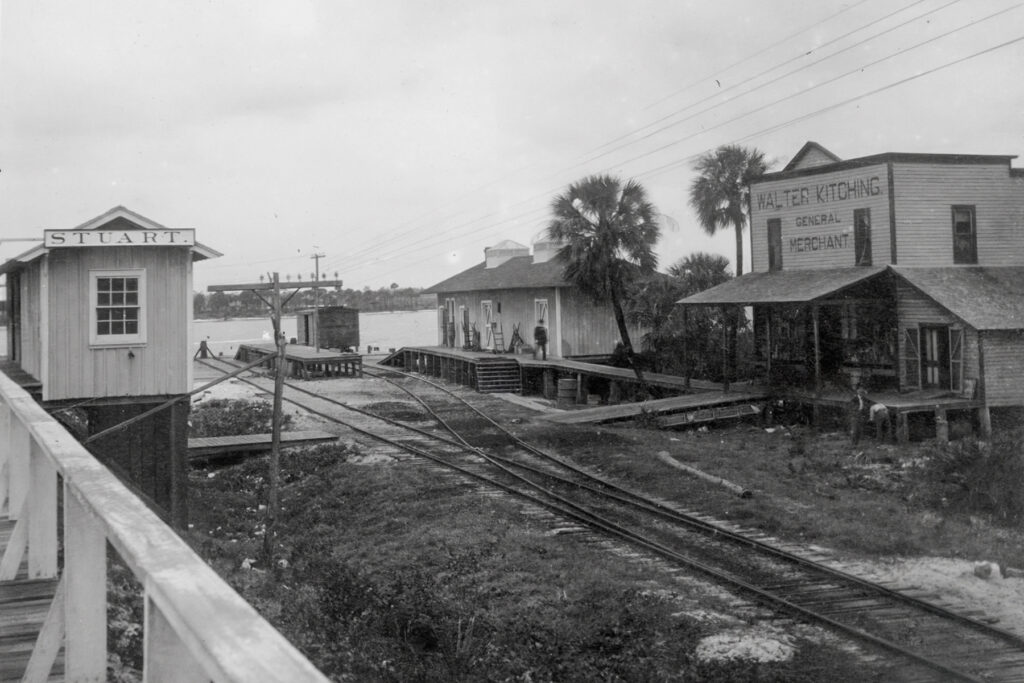
Walter Kitching retired his trade boat in 1896 (except for pleasure and fishing), and built the first general merchandise store in the settlement, directly across the street from the relocated FEC depot. This first store was a two-story frame building at the comer of Federal Highway and West Fourth Street.
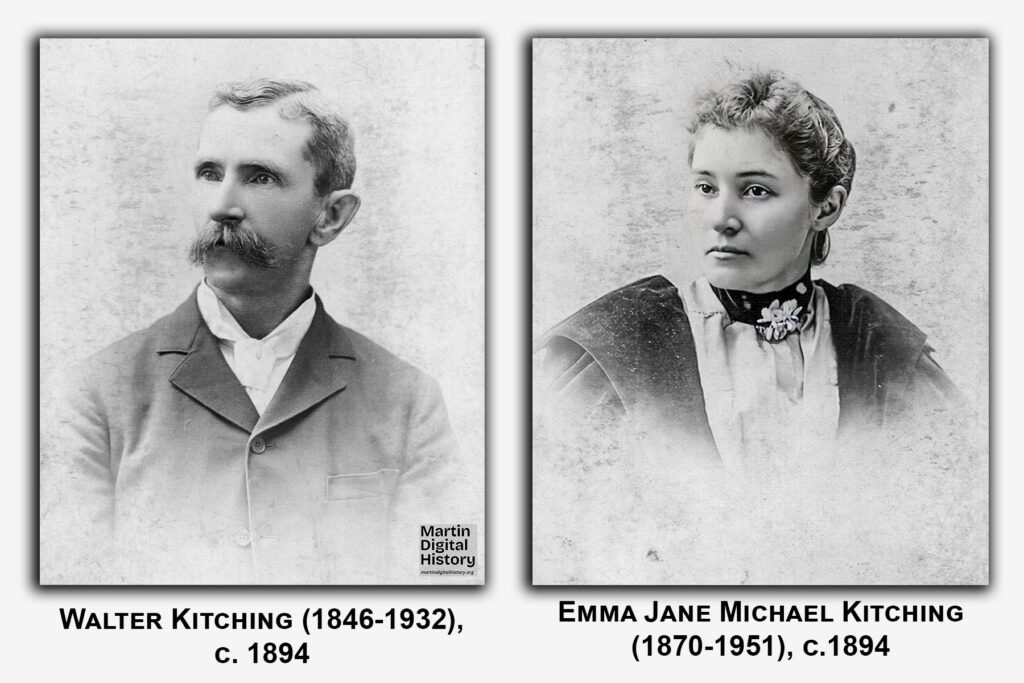
Together with Walter and Emma Kitching’s earlier donation of land for the first Methodist Church in 1895, the deed demonstrates the family’s pivotal role in the development of the settlement that would soon become Stuart. Their contributions helped secure both the transportation and community infrastructure that laid the foundation for the town’s future growth.
Visit Martin County Digital – participatory digital archive by the Martin County Library System

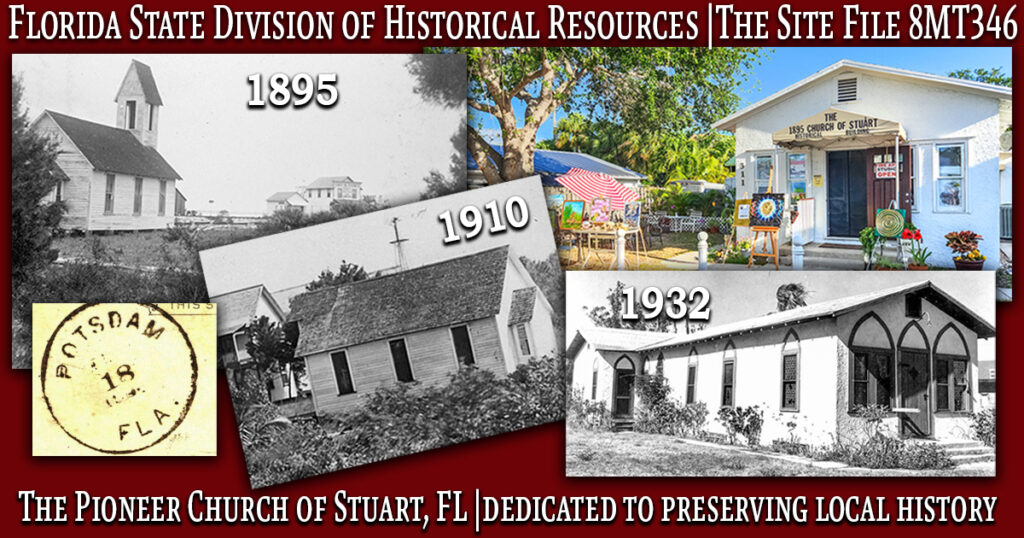
The 1895 Church of StuArt is a historic building of the first community church, also known as the Pioneer Church (the oldest church structure in Martin County), built in Stuart in 1895! Your donations help us maintain, restore, and preserve the building, and also continue our research and share historical information and articles. We greatly appreciate your support! The donations are not tax deductible.

Visit our historical building of the first church built in Stuart in 1895. Enjoy the building’s history and fine art by our local artists. We are located in Downtown Stuart: 311 SW 3rd St., Stuart, FL 34994


