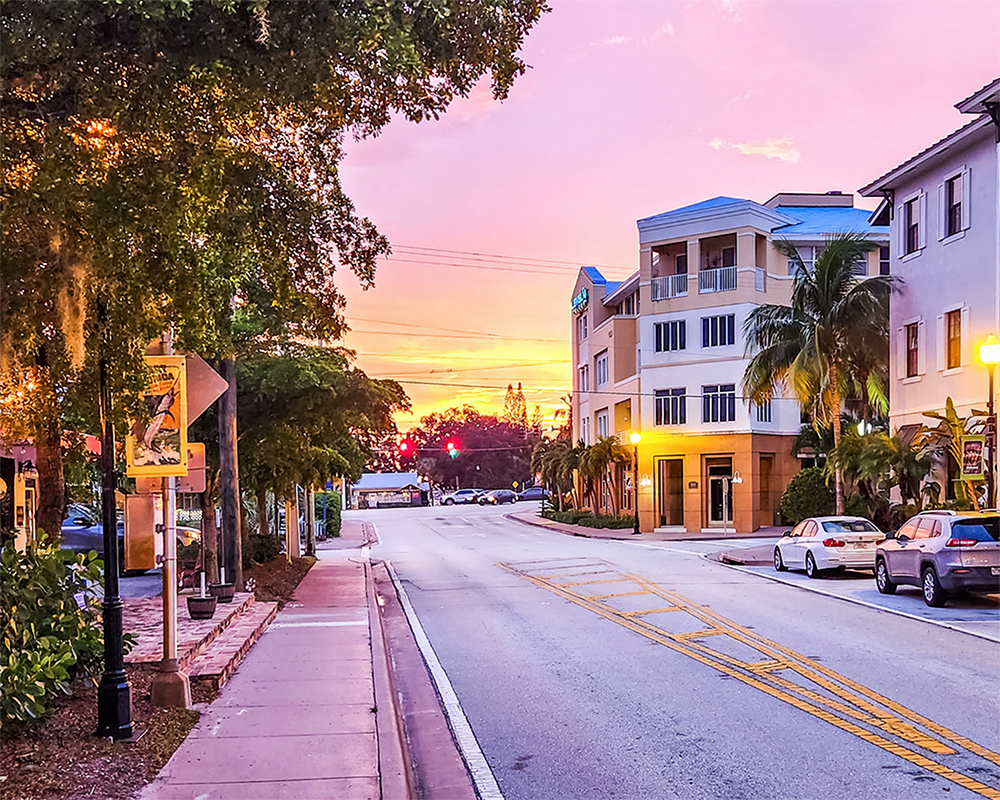
In an era when many coastal communities across Florida are rapidly transforming into dense corridors of traffic, chain development, and towering construction, Stuart continues to stand apart. Tucked along Florida’s Treasure Coast between the St. Lucie River and the Atlantic Ocean, Stuart has earned national recognition not simply because of its beaches or fishing heritage, but because it still feels like a real town with a soul. At least for now.
That identity has not gone unnoticed.
In 2024, Stuart was named the #1 Best Coastal Small Town in America in the USA TODAY 10 Best Readers’ Choice Awards. Publications and travel writers have repeatedly praised Stuart’s historic downtown, waterfront charm, art scene, parks, walkability, and small-town atmosphere. Southern Living later described Stuart as a “quiet Florida destination” with a vibrant historic downtown and a strong sense of place.
But awards alone do not preserve a town.
Communities preserve themselves through choices.
The divide over development became a major issue in Stuart elections. In the primary election held on August 23, 2022, former Stuart Mayor Merritt Matheson, who was generally viewed as part of the more “pro-growth” faction on the City of Stuart Commission during debates over redevelopment, apartments, and mixed-use projects in Stuart, lost his seat to Chris Collins, who positioned himself as an advocate for what he calls “reasonable growth,” focusing on limiting high-density apartment development and preserving Stuart’s small-town coastal character. The debate over what constitutes “reasonable growth” versus overdevelopment remains one of the defining political issues in Stuart today.
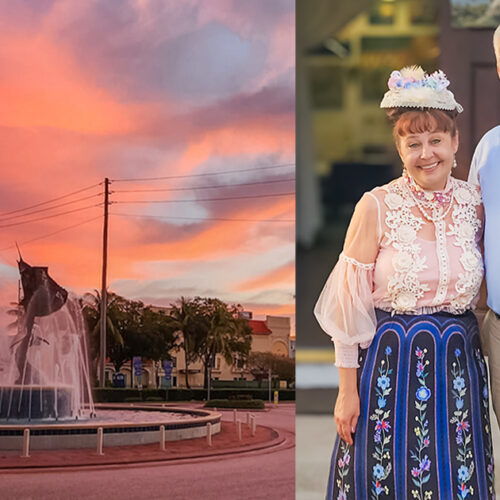
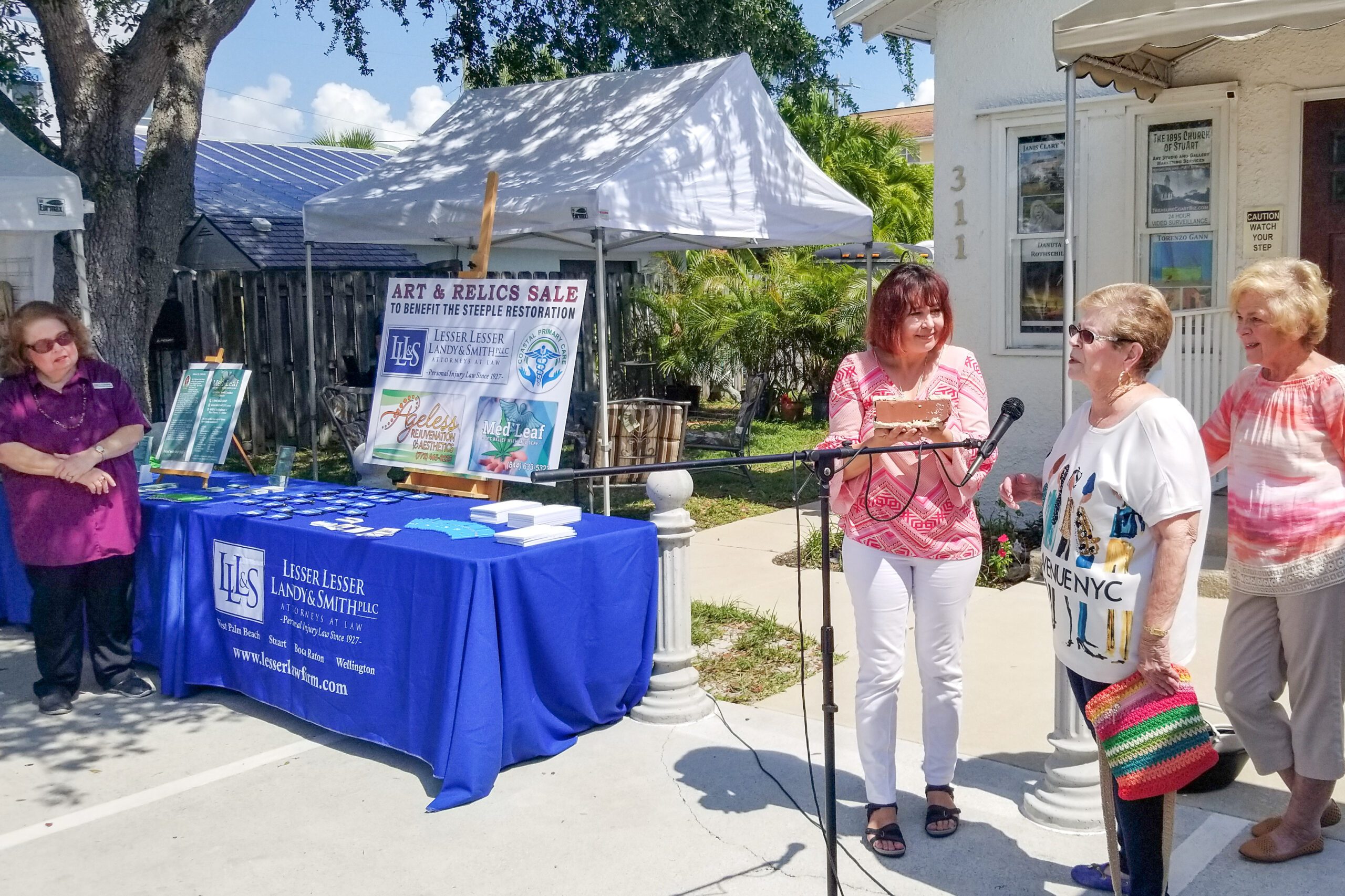
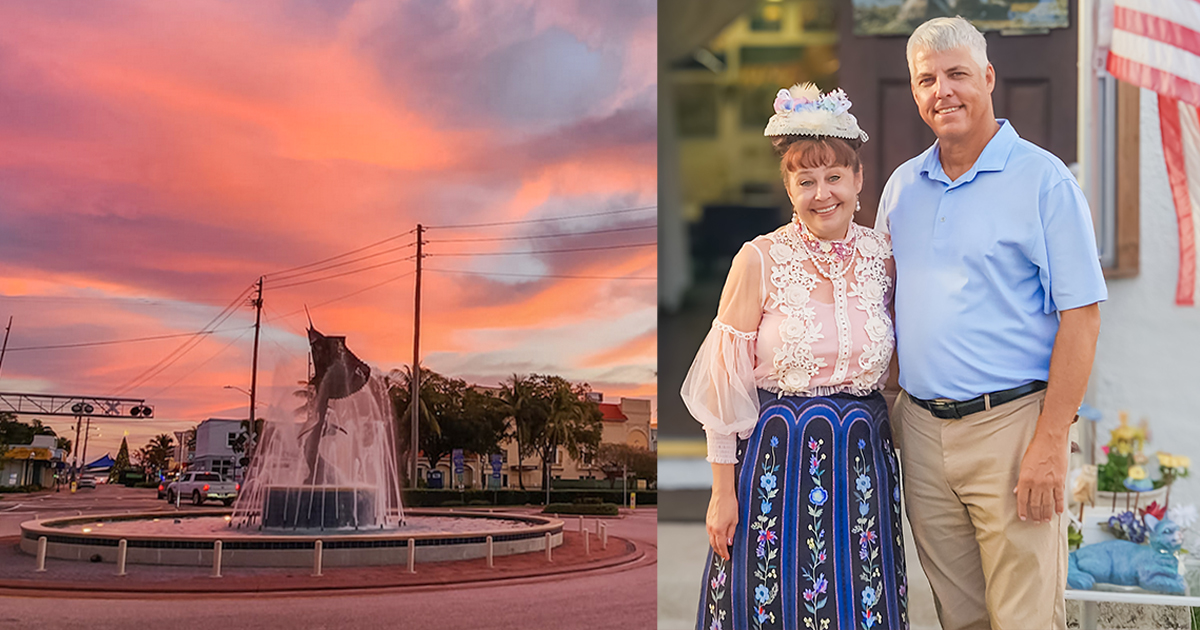
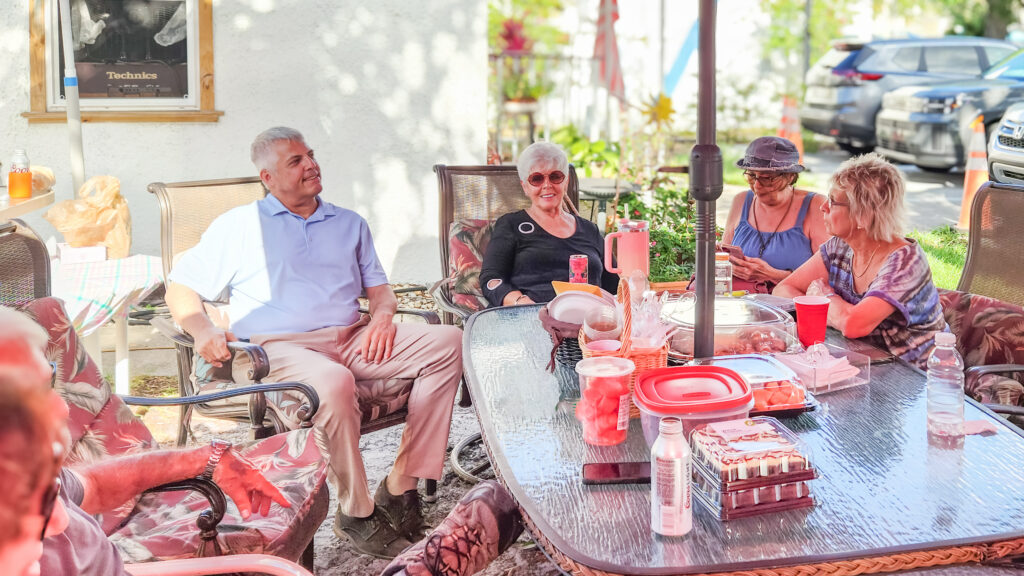
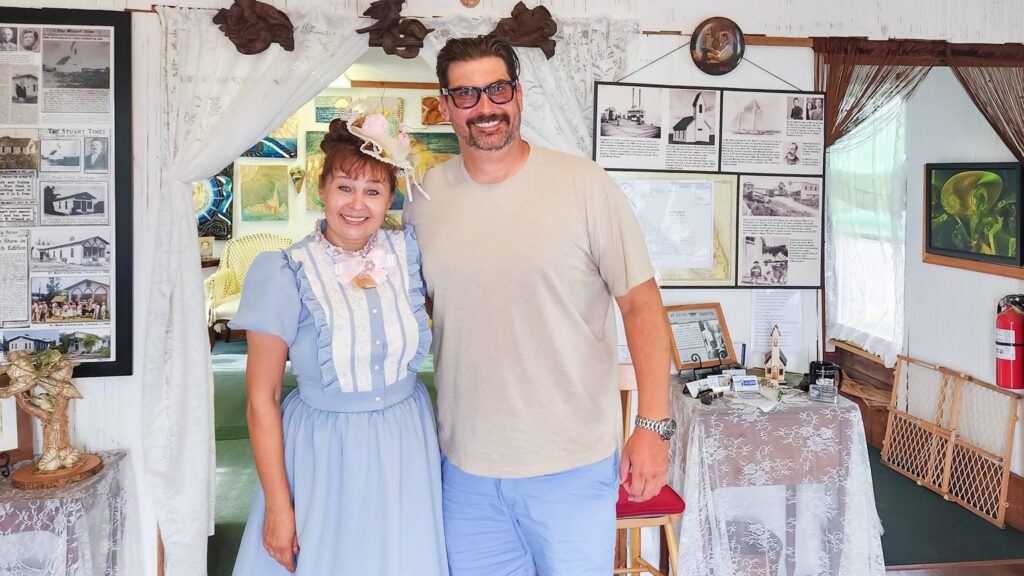
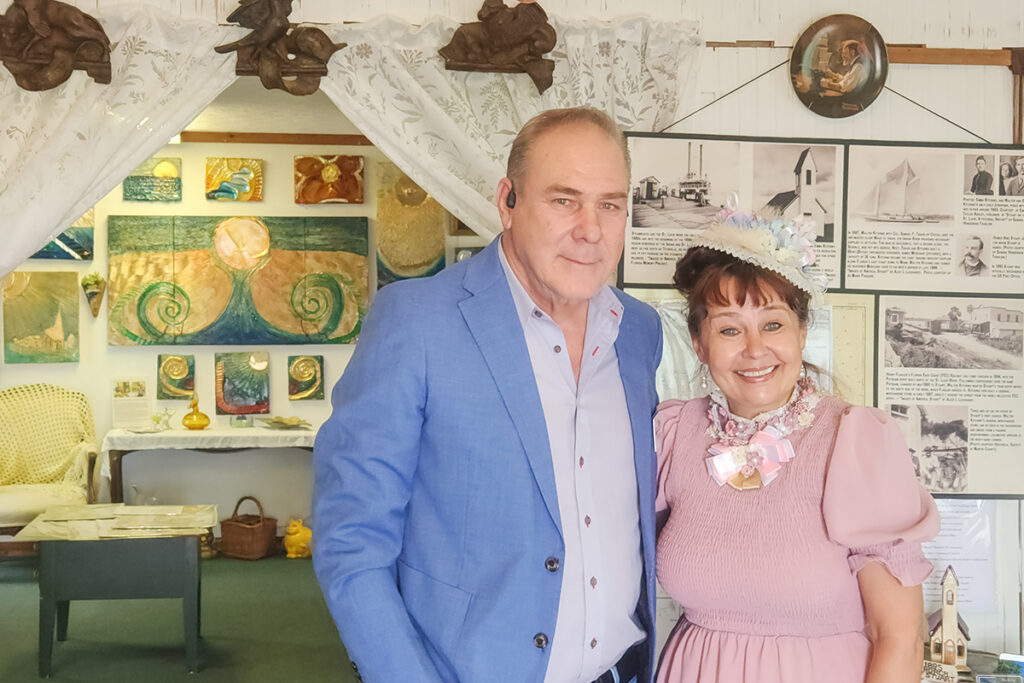
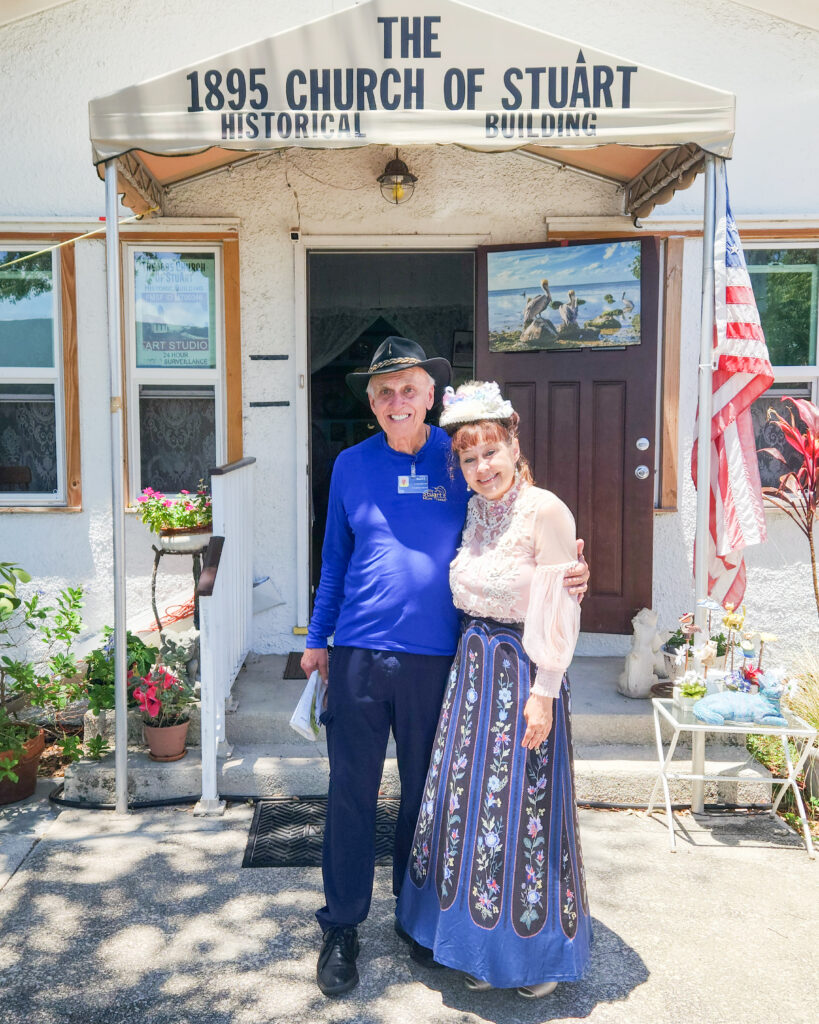
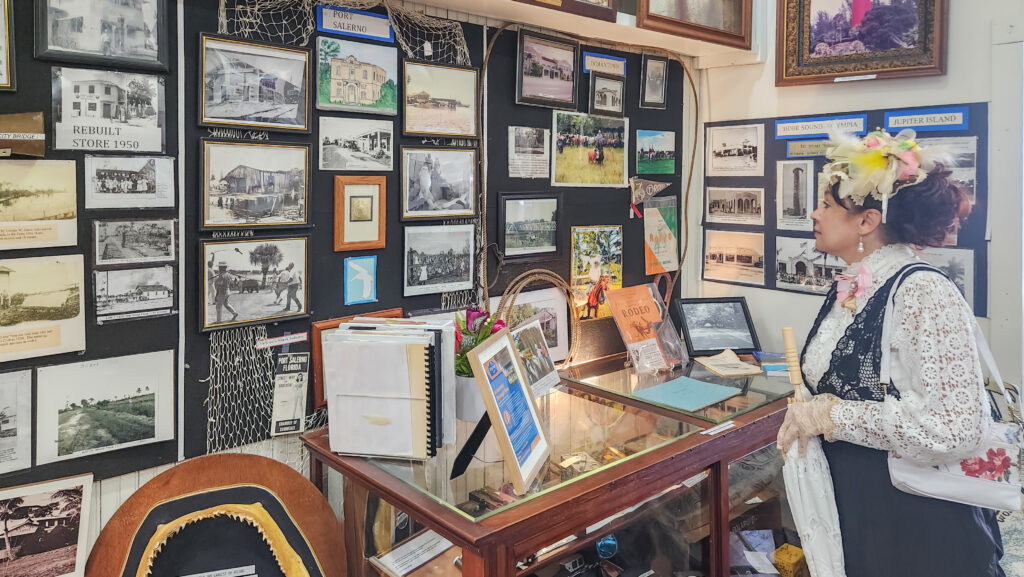
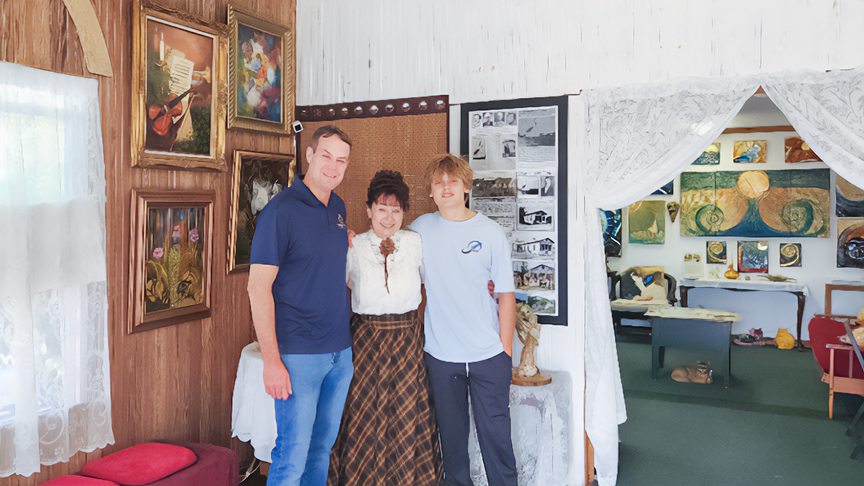
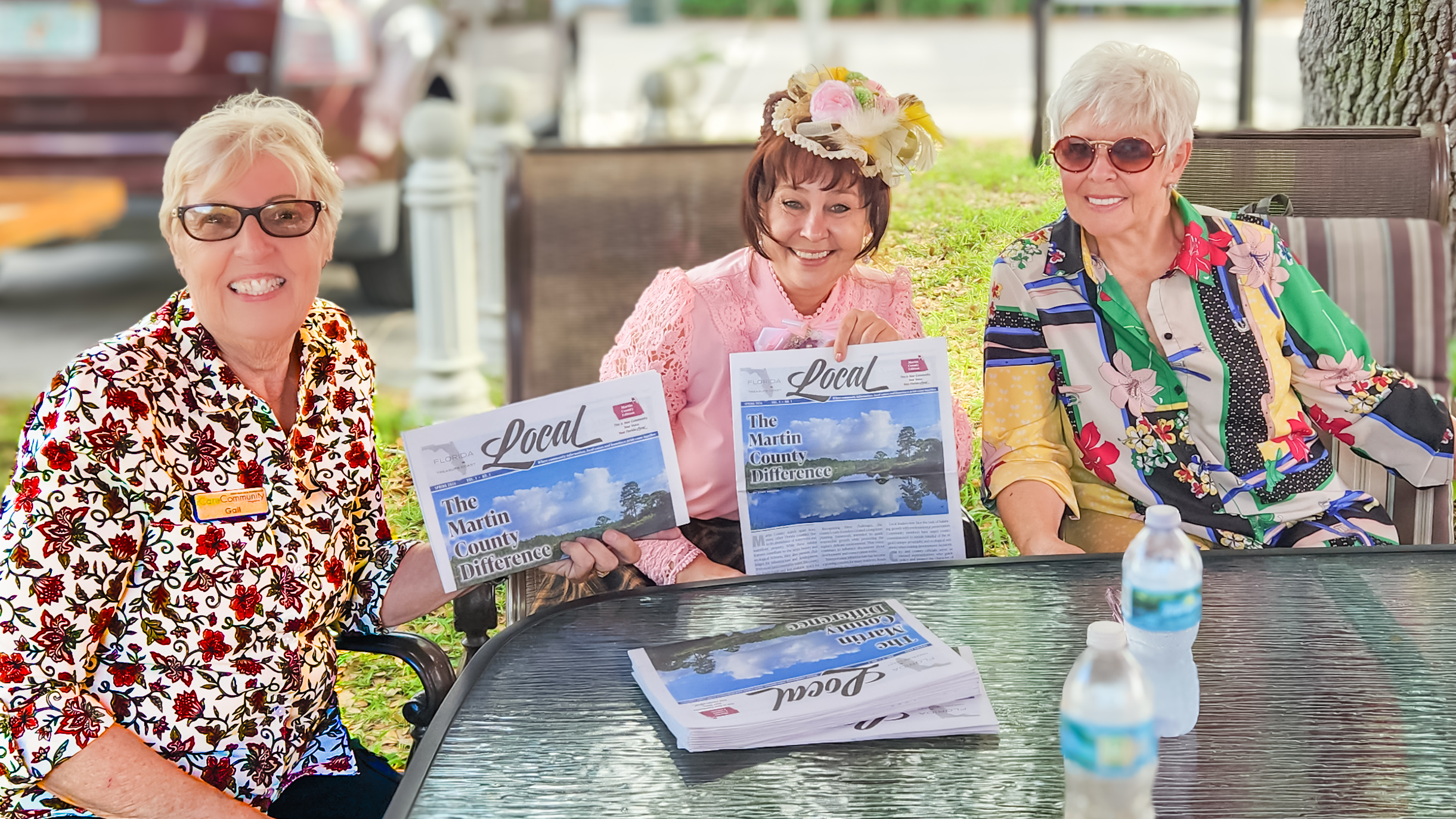
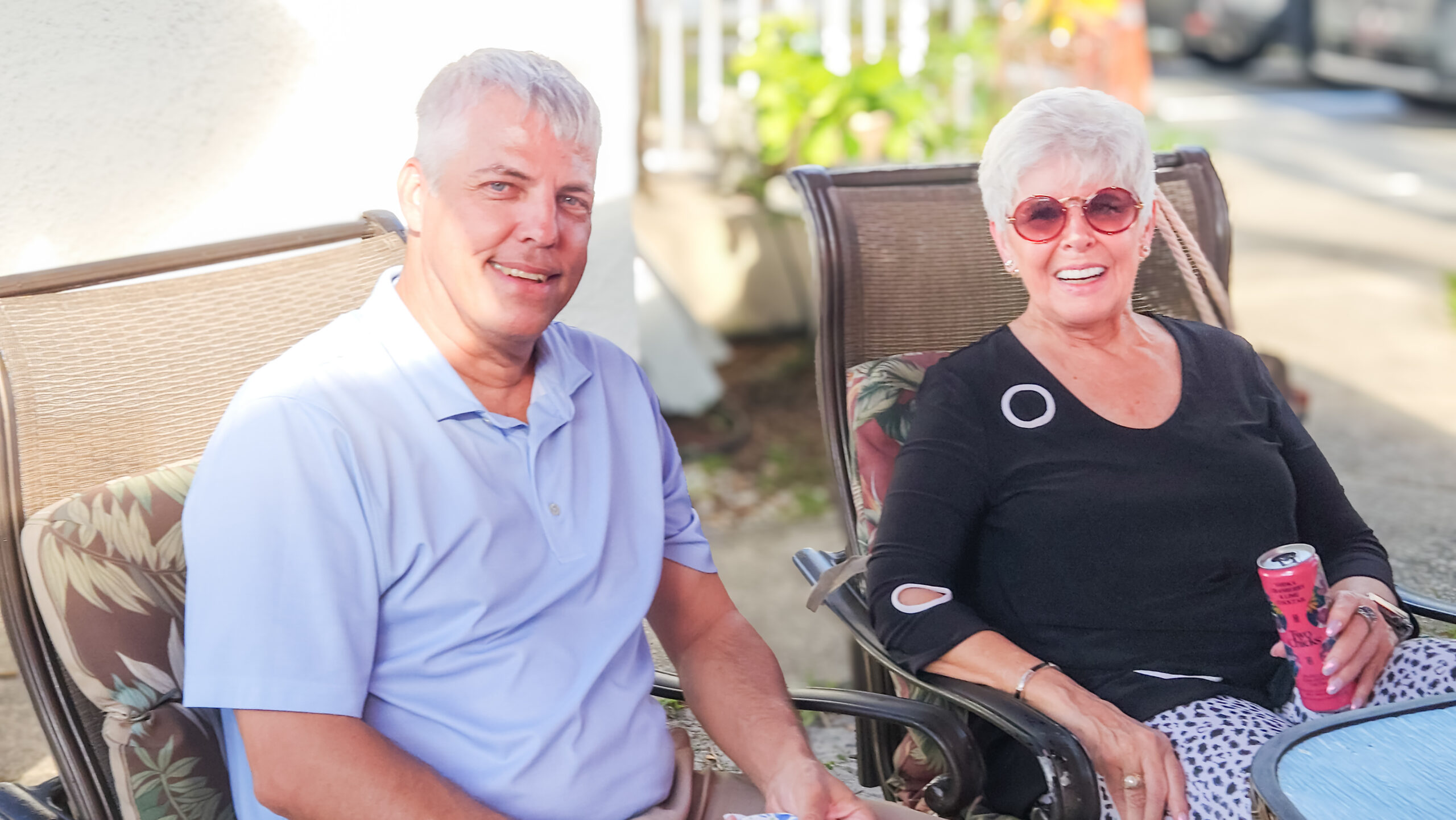
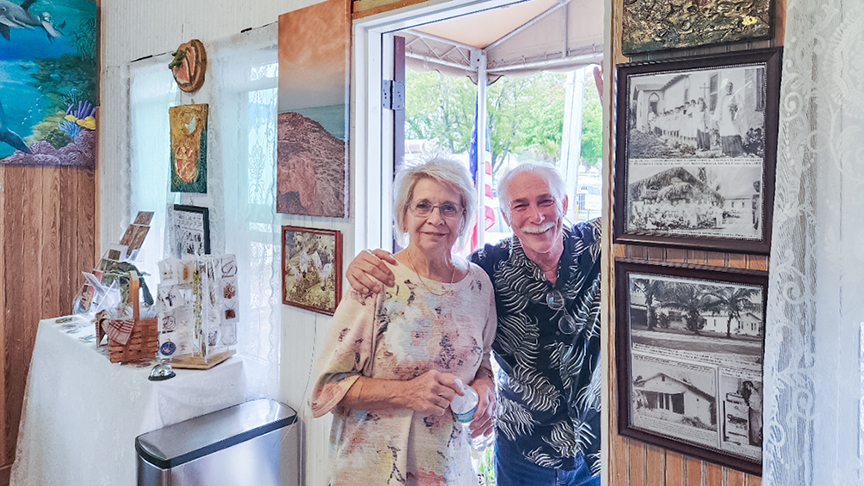
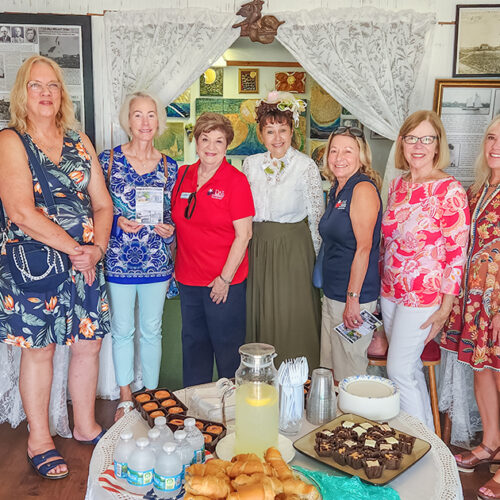
Sunday, May 18, 2026, afternoon at The Pioneer Church was filled with laughter, good food, and thoughtful conversations as friends and neighbors gathered for a special get-together with Will Laughlin for Stuart City Commission Group 1. Will Laughlin has become known in the community as a strong advocate for protecting Stuart’s small-town character, defending home rule, and putting residents first. His campaign focuses on responsible growth, preserving neighborhoods, transparency in local government, and maintaining the unique charm that makes Stuart special. (electlaughlin.com)
Why Tourists Love Small Towns Like Stuart
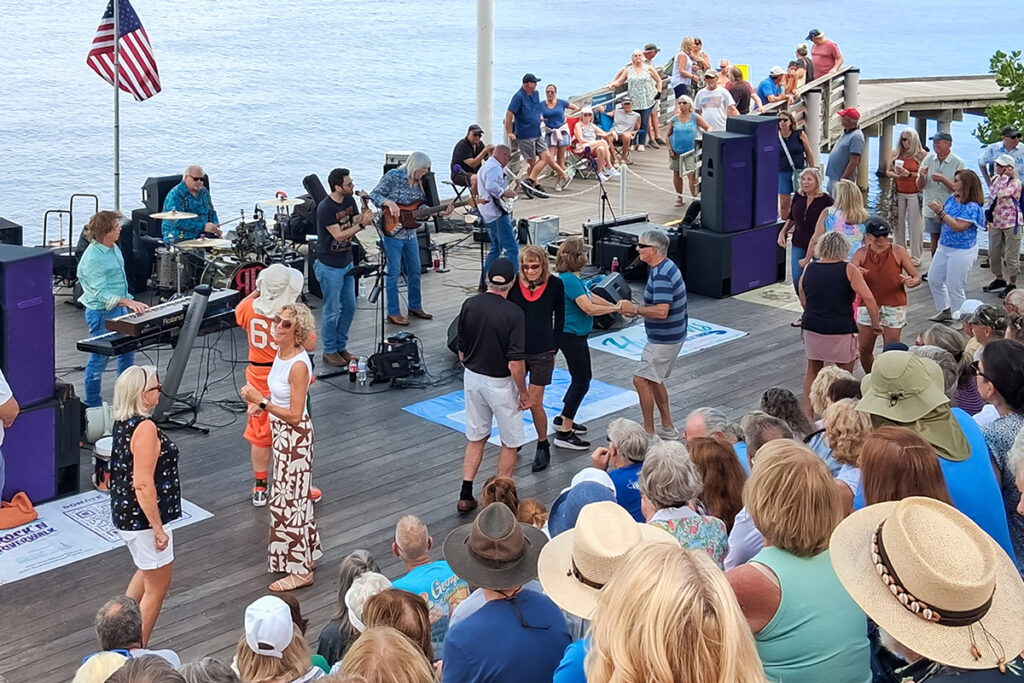
Travel trends increasingly show that visitors are searching for authenticity rather than overcrowded tourist districts. Travelers want places where they can walk historic streets, speak with local business owners, listen to live music near the waterfront, browse independent galleries, and experience the character of a community rather than a manufactured destination.
That is precisely what makes Stuart special.
Visitors come to Stuart not only for the water, fishing, and boating, but for the feeling they experience when they arrive. The human scale of the streets, the historic storefronts, the local restaurants, the art galleries, and the riverfront parks create an atmosphere that feels welcoming and personal.
Unlike many heavily overdeveloped destinations, Stuart still offers moments of quiet coastal charm and a sense of authenticity that visitors and residents cherish.
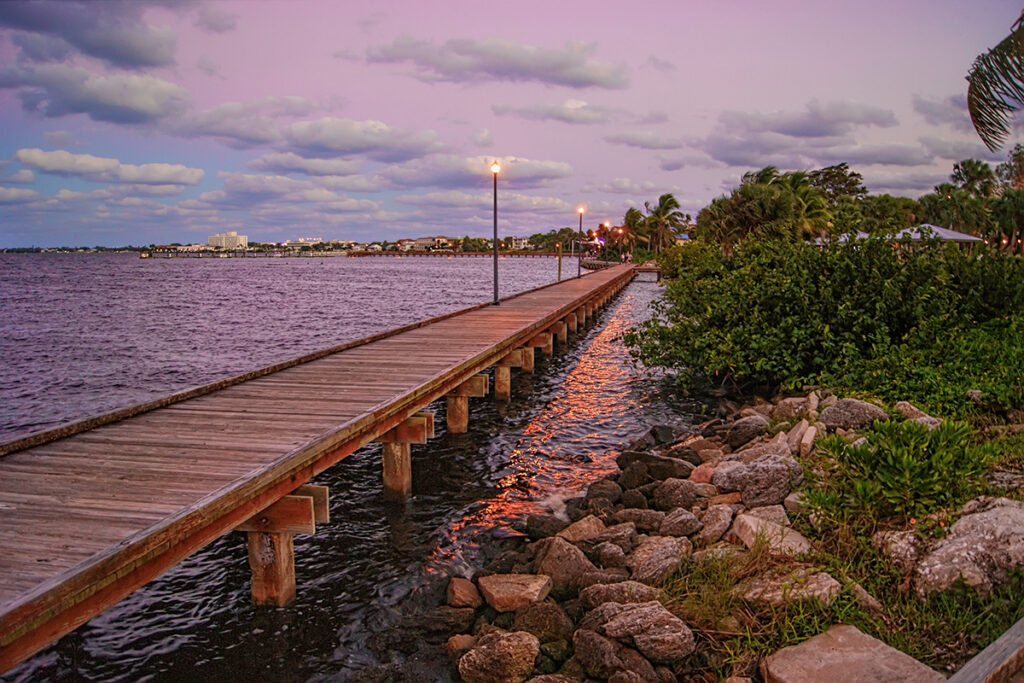
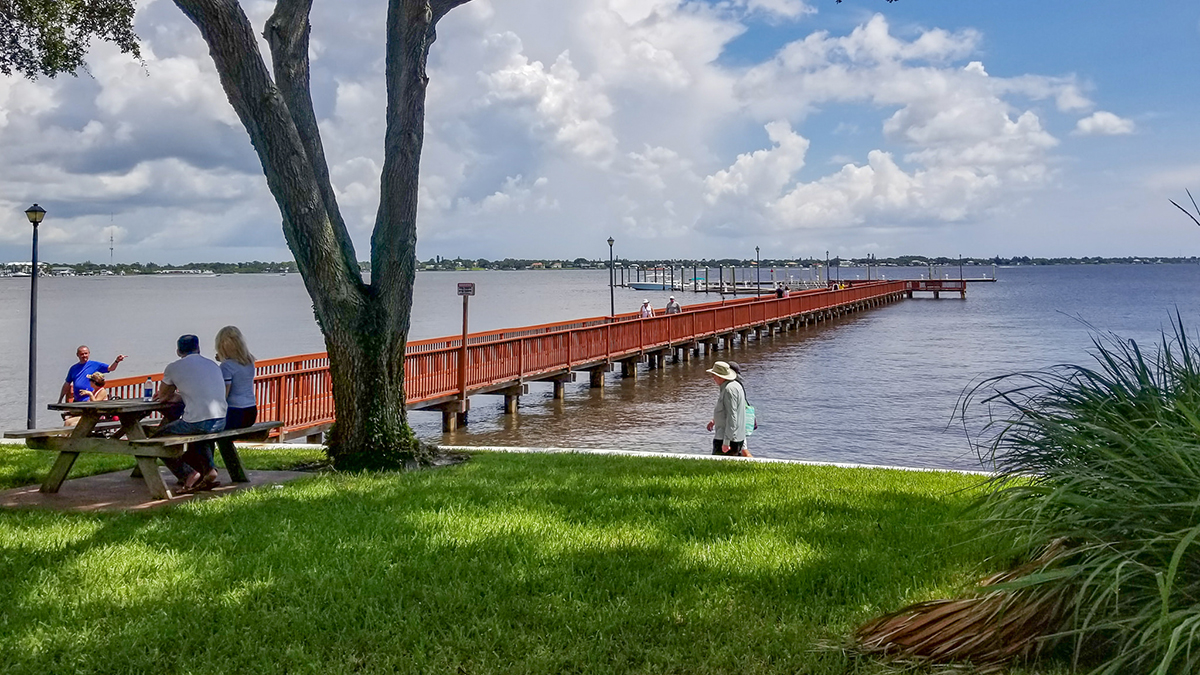
- watching the sunset along the riverwalk,
- hearing the church bells downtown, marking Sunday services, holy days, and weddings – the historic St. Mary’s Episcopal Church,
- attending local art walks and farmers markets,
- exploring historic buildings,
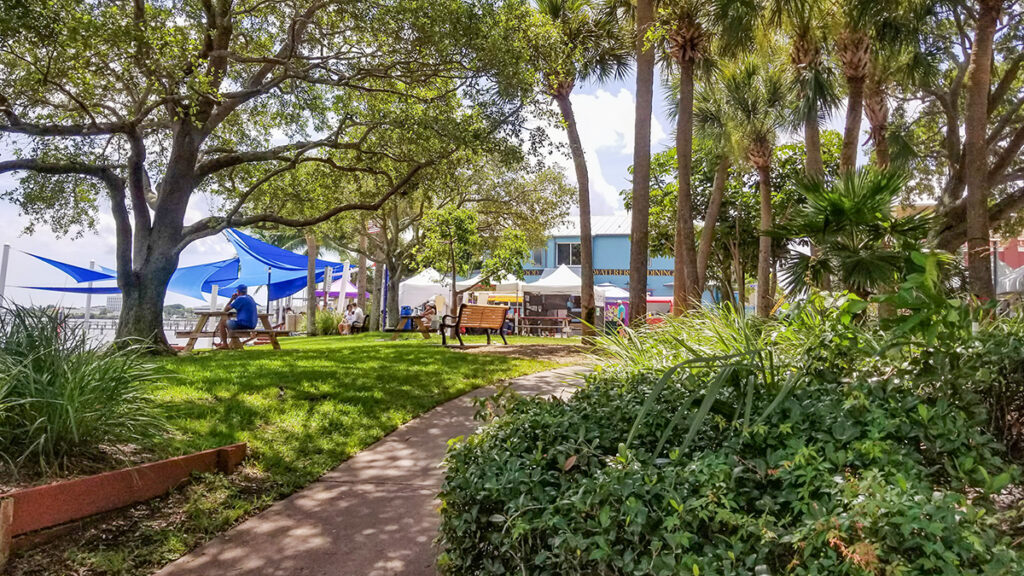
- or simply sitting beneath mature oak trees while enjoying the coastal breeze.
Tourists increasingly seek experiences that cannot be duplicated everywhere else. Historic towns provide exactly that
Yet many wonder how long that character can survive before high-rise apartments and expanding commercial development begin reshaping the area into another densely built coastal corridor like parts of Brevard or Miami-Dade County.
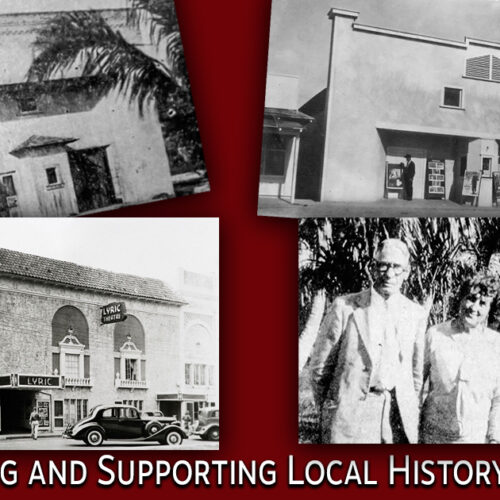
In 2024, Stuart residents voted to preserve the Stuart Heritage Museum at its historic location, sending a strong message that the community values its heritage, historic character, and sense of place. Thank you to the residents of Stuart who recognized that preserving local history is essential to protecting the charm and uniqueness that continue to make Stuart one of America’s most beloved small coastal towns.
Historic Preservation Is Economic Preservation
Historic preservation is often misunderstood as merely “saving old buildings.” In reality, preservation protects the very qualities that attract people to Stuart in the first place.
When travelers visit small coastal towns, they are often searching for:
- architectural character,
- local history,
- cultural identity,
- walkable districts,
- unique independent businesses,
- and a connection to the past.
Once historic structures disappear, a town risks becoming interchangeable with countless other rapidly developed coastal communities.
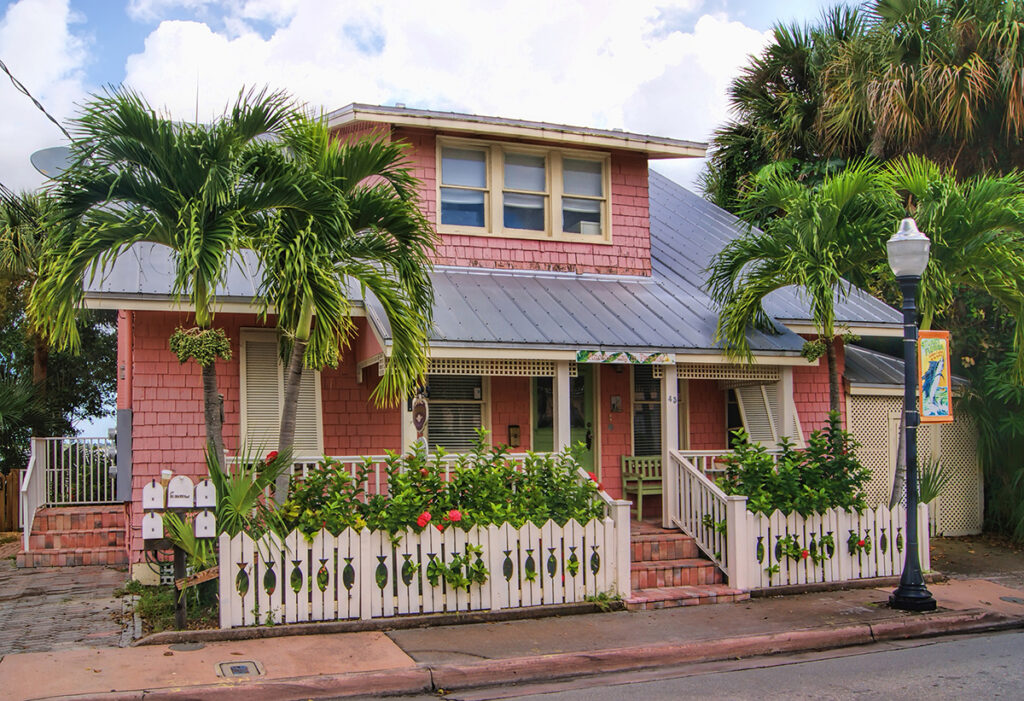
Stuart’s historic resources — from landmarks and museums to cottages, churches, commercial buildings, and waterfront districts — tell the story of the pioneers, fishermen, artists, and families who shaped the community long before modern growth pressures arrived. Historic preservation keeps those stories visible.
The preservation of historic places contributes directly to the town’s identity and tourism appeal. “An expert panel pointed to the St. Lucie River, Flagler and Shepard Parks and the Stuart Heritage Museum as reasons for naming the city number one.” Stuart wins ‘best coastal small town’ in America, Aug 13, 2024)
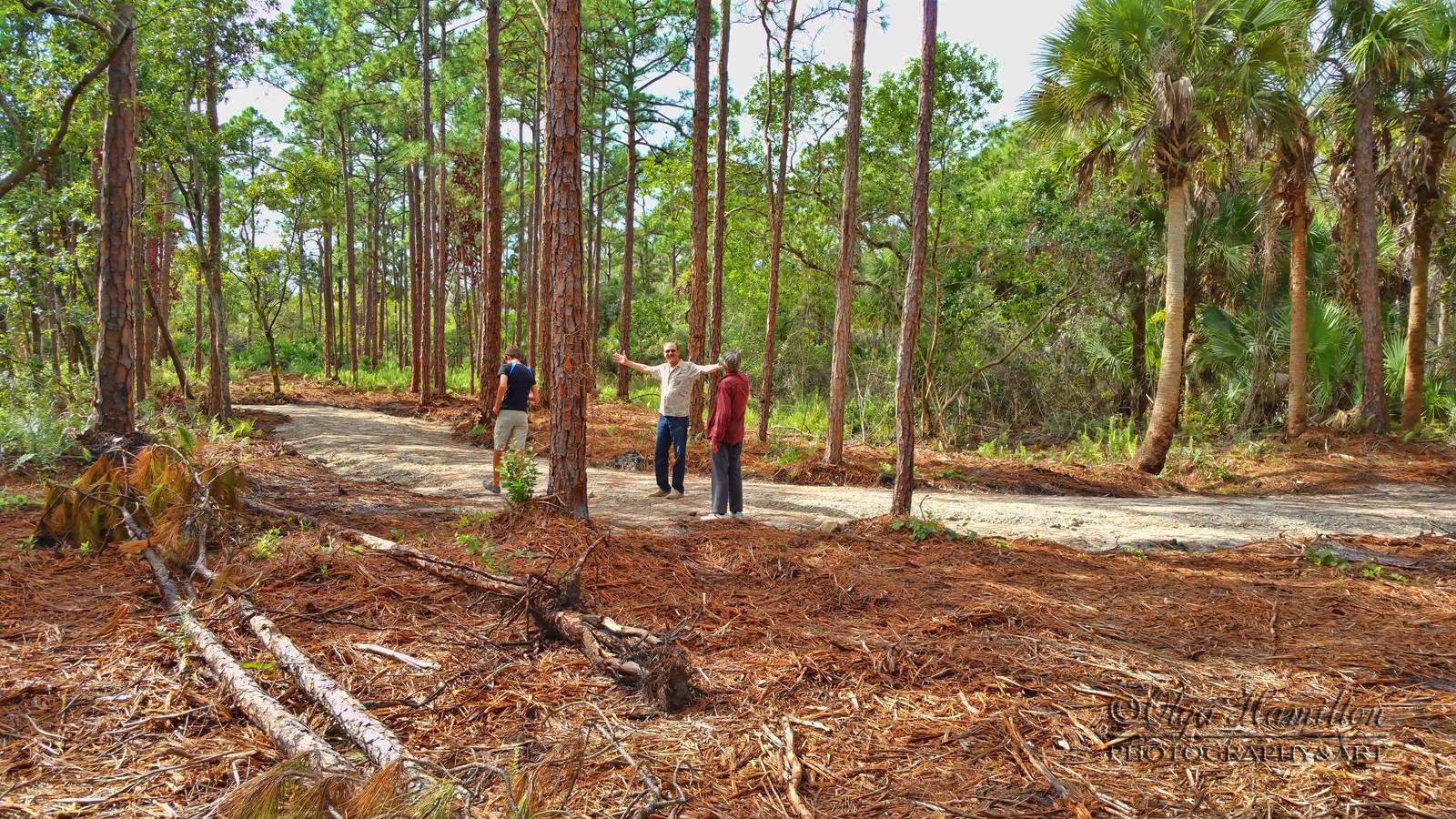
Protecting our local public green spaces, preserves, and parks is just as important as preserving our historic landmarks. These natural areas provide beauty, shade, wildlife habitat, cleaner air and water, and peaceful places where residents and visitors can reconnect with nature and with one another. In coastal communities like Stuart, parks, riverfronts, wetlands, and preserves help maintain the character and quality of life that people cherish. Once lost to overdevelopment, these open spaces are nearly impossible to replace. Future generations deserve the opportunity to enjoy native landscapes, old oak trees, scenic waterways, and public gathering spaces that remind us that growth and preservation must exist in balance.
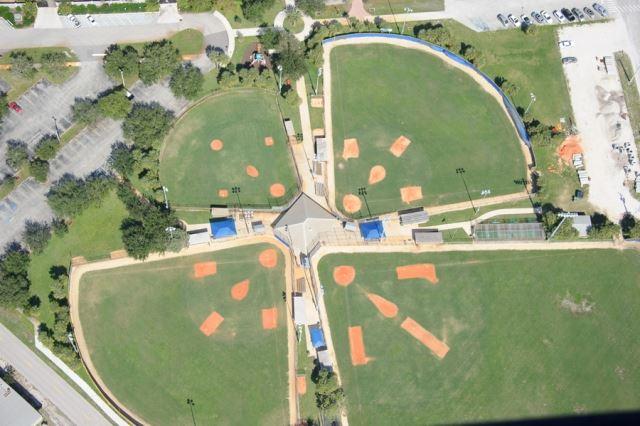
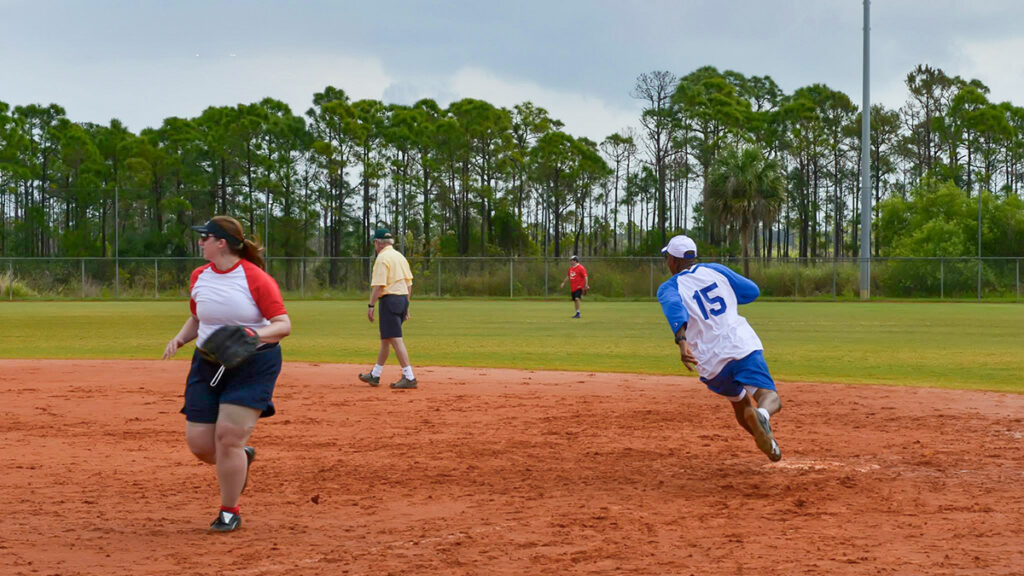
In 2018, Stuart residents demonstrated once again how deeply they value their community spaces by speaking out in support of protecting Sailfish Ballpark and its baseball fields from redevelopment proposals. Residents, families, and youth sports supporters spoke out strongly against replacing the beloved green space with apartments and commercial development. In 2019, city commissioners ultimately voted not to sell the park for housing development after significant public opposition and petition efforts.
City of Stuart decides not to sell Sailfish Park, won’t develop baseball fields – last updated 4:27 AM, Mar 12, 2019
Small-Town Character Cannot Be Rebuilt Once Lost
One of the greatest misconceptions in modern development is the belief that “charm” can simply be recreated later through decorative architecture or branding slogans.
It cannot.
Authenticity takes generations to build and only a few years to erase.
Historic neighborhoods, mature trees, independent businesses, traditional architecture, and community gathering spaces create the emotional connection people feel when visiting Stuart. Once replaced by excessive density, generic construction, or poorly planned growth, that sense of place becomes difficult — and often impossible — to restore.
The irony is that the very qualities attracting new residents and investors to Stuart are the same qualities most vulnerable to being lost.
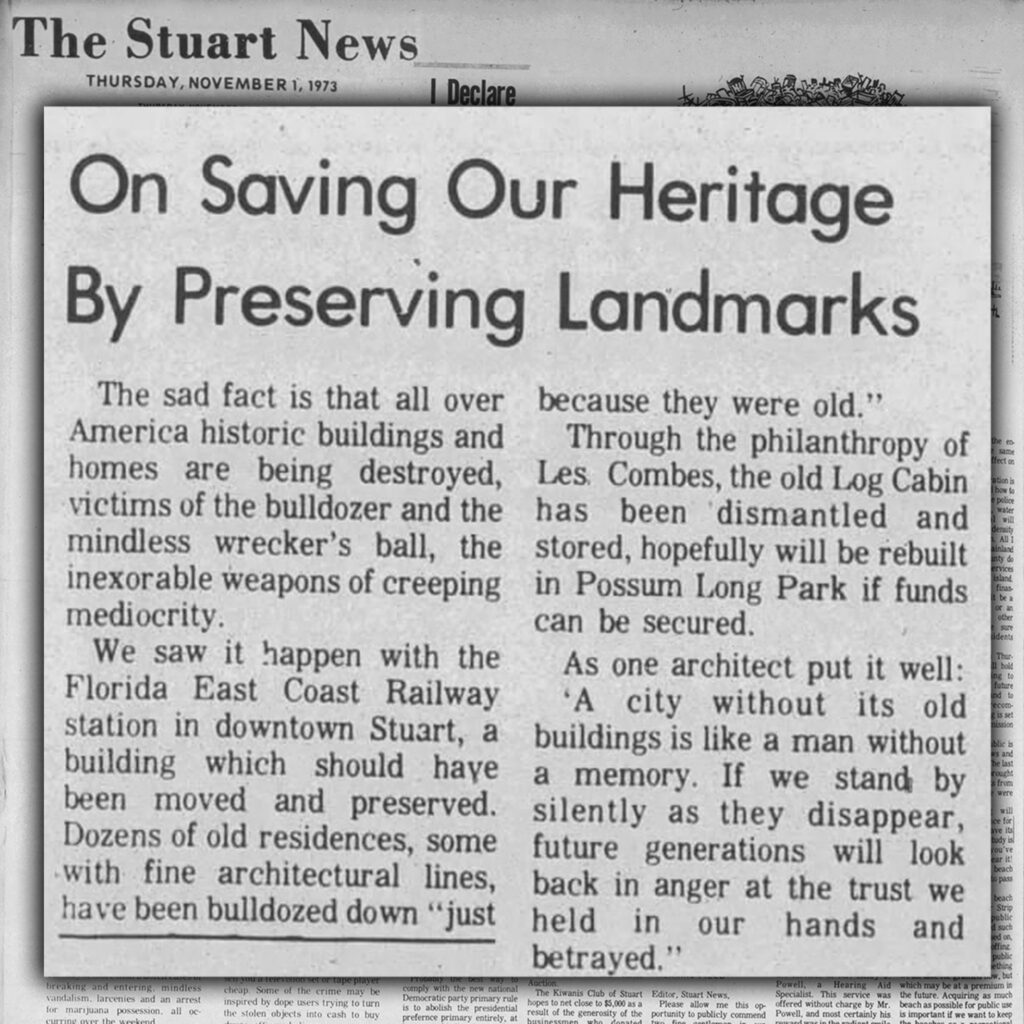
The Stuart News
Thursday, November 1, 1973
On Saving Our Heritage By Preserving Landmarks
“The sad fact is that all over America historic buildings and homes are being destroyed, victims of the bulldozer and the mindless wrecker’s ball, the inexorable weapons of creeping mediocrity.
We saw it happen with the Florida East Coast Railway station in downtown Stuart, a building which should have been moved and preserved. Dozens of old residences, some with fine architectural lines, have been bulldozed down “just because they were old.”
Through the philanthropy of Les Combes, the old Log Cabin has been dismantled and stored, hopefully will be rebuilt in Possum Long Park if funds can be secured.
As one architect put it well: “A city without its old buildings is like a man without a memory. If we stand by silently as they disappear, future generations will look back in anger at the trust we held in our hands and betrayed.””
Preserving Stuart for Future Generations
Preserving Stuart’s uniqueness does not mean opposing all growth or progress. It means ensuring growth respects the character, history, environment, and scale that made Stuart beloved in the first place.
That includes:
- protecting historic structures,
- supporting adaptive reuse and restoration,
- preserving waterfront access and green spaces,
- encouraging locally owned businesses,
- maintaining walkable downtown areas,
- and respecting the cultural and architectural identity of the community.
Historic preservation also strengthens civic pride. Residents who understand their town’s history are more likely to protect it, invest in it, and pass those stories to future generations.
Stuart’s recognition as one of America’s best small coastal towns is something to celebrate — but also something to protect. Awards and magazine features may bring national attention, yet the true responsibility belongs to the community itself.
Because once the charm of a small coastal town disappears, it is rarely recovered.
And places like Stuart are becoming increasingly rare.
To learn more about Will Laughlin for Stuart City Commission Group 1 and connect with him , please visit his website https://electlaughlin.com
Regards,
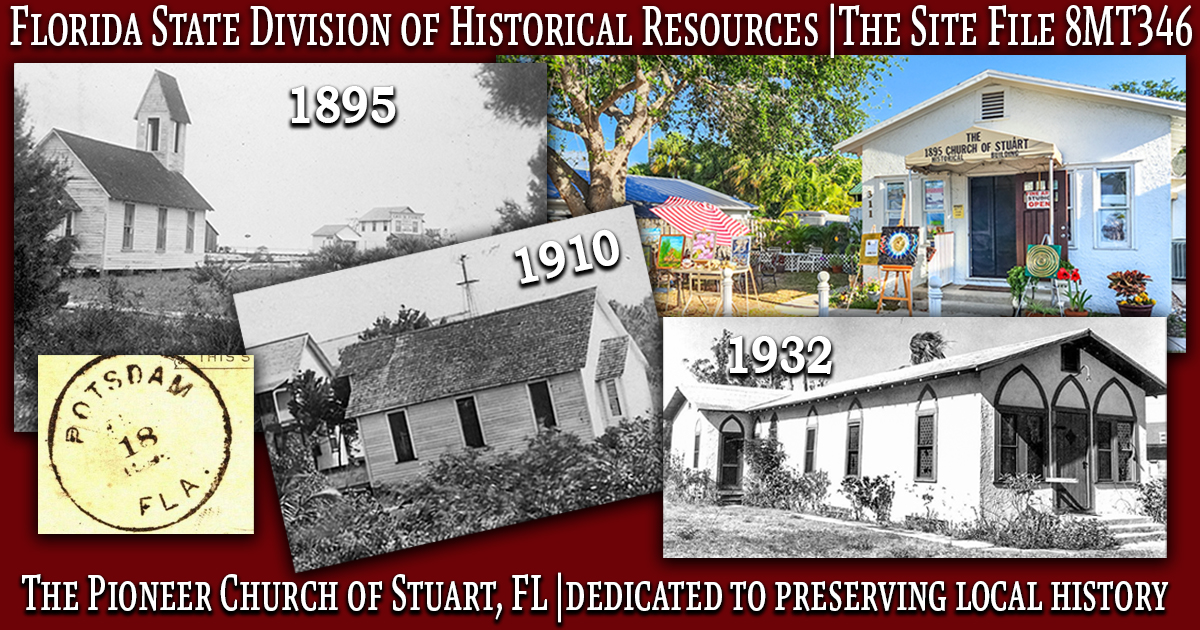
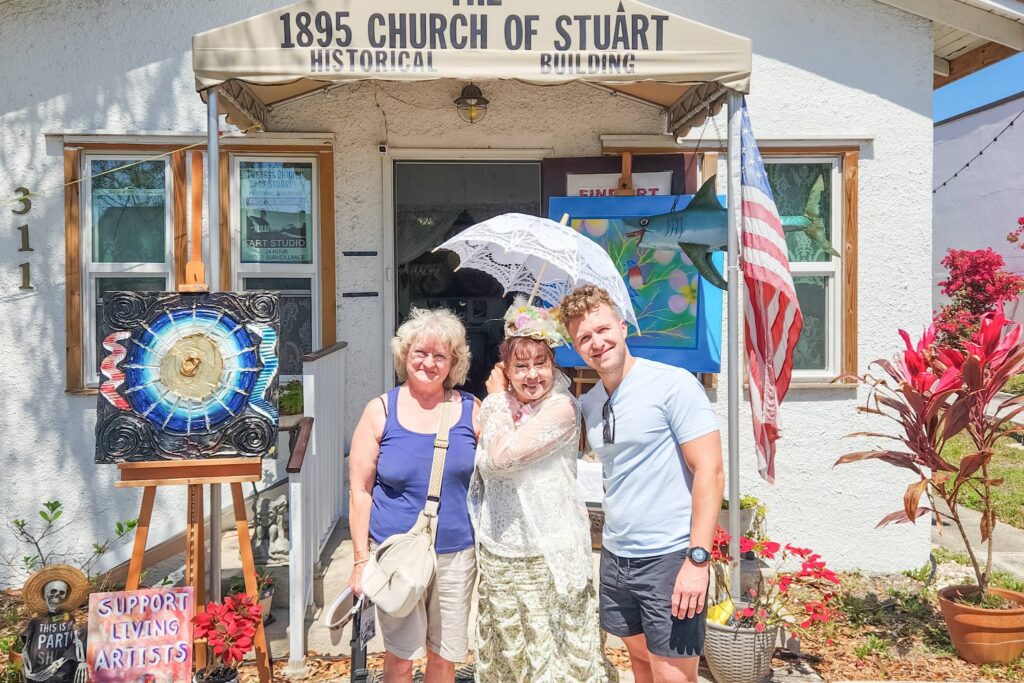
Olga Hamilton of The 1895 Church of Stuart – Historic Pioneer Church built in Potsdam (Stuart) in 1895.
Preserving Stuart’s Charm and Uniqueness – Florida
Louis C. and William D. McFarlan – Glass Negatives Stuart, Florida
Emma Michael Kitching arrived in 1894 – Pioneers of Potsdam (Stuart) and Martin County, Florida
Stuart’s Three Lyric Theatres
A Cheap Way To Live. How a Florida Man Saves Money and Grows Rich, 1894 – Pioneers of Florida
Pioneering On East Coast of Florida
Contemporary tactile art by Horst Mueller, Stuart, Martin County, Florida.
Stuart’s First Newspaper
Ross Witham Beach, Hutchinson Island, Treasure Coast, Florida
History of The First United Methodist Church In Stuart, Florida
How and when Potsdam was changed to Stuart, Florida
The City of Stuart Small Cities CDBG – Oversized Replacement Windows
The City of Stuart CDBG HR Program – The Roof with the Fake Roof Ridge Vent System
The First Black Law Enforcement Officers in Stuart, Martin County, Florida
Gilbert’s Bar House of Refuge, Stuart, Martin County, Florida
Mornings on Main Street
Original Fine Art in historic Downtown Stuart, Martin County, Florida
Dorsal Fishing Post – Stuart, Florida
Today in Martin County History – Julia Francis Langford Birthday
Fine Art by Katie Sottak at The 1895 Church of StuArt
Ceramic Art by Lorrie K. Goss at The 1895 Church of StuArt
Celebrating Historic Preservation Month!
Lester Jay Stone – Original Art For Sale
Beyond Van Gogh Miami – Ice Palace Studios
The 1895 Church of StuArt Presents Danuta Rothschild at the 2020 Martin County Open Studio Tour
The Florida Department of State | Division of Historical Resources: “This office notes that the property located at 311 SW 3rd Street, Stuart Florida (8MT346) appears to meet the criteria for listing in the National Register of Historic Places.” – letter to the City of Stuart, December 1st, 2023